
By James Okoth
The African Union Election Observation Mission (AUEOM) has issued a damning preliminary statement on Tanzania’s October 29 General Elections, warning that the exercise “fell short of the standards set by the African Charter on Democracy, Elections and Governance.”
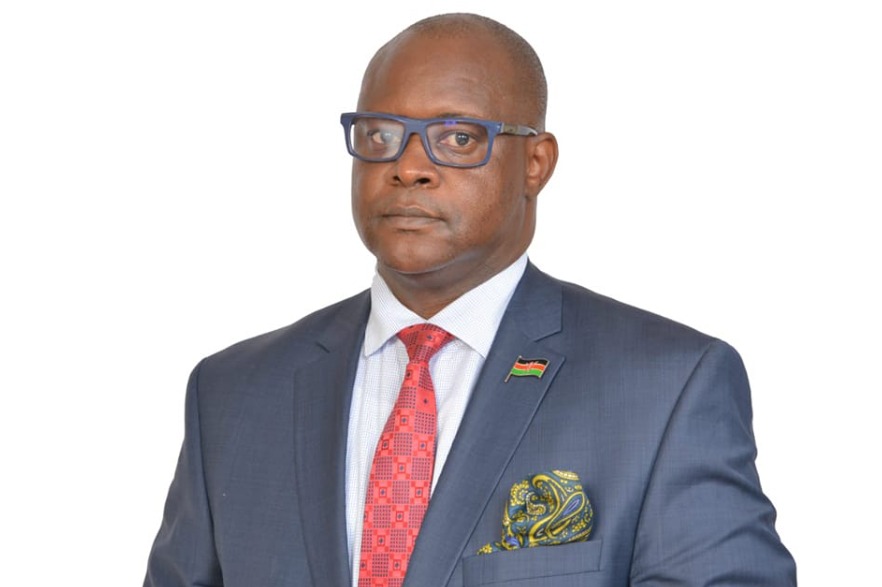
Led by former Botswana President Mokgweetsi E.K. Masisi and supported by former Nigerian Foreign Affairs Minister Geoffrey Onyeama, the 72-member Mission observed polling in 17 regions across Tanzania and Zanzibar. Despite smooth logistical preparations, the Mission said the elections “lacked inclusivity, competitiveness and transparency.”
“While we acknowledge the efforts by Tanzanian authorities to organize the polls, the overall environment did not allow for a fair and credible process,” said President Masisi.
Opposition Boycott and Arrests Undermined Competitiveness
The AU team cited the boycott by CHADEMA, the disqualification of ACT-Wazalendo’s presidential candidate Luhaga Mpina and the arrest of key opposition figures as clear indicators that “the playing field was not level.”
“The detention of opposition leaders and restrictions on campaign activities created a climate of fear,” the Mission noted.
“Meaningful political competition requires respect for freedoms of association, assembly and expression.”
While acknowledging President Samia Suluhu Hassan’s early reforms, the Mission lamented what it called “a reversal of political openness” in the months leading to the vote.
Institutional Weakness and Constitutional Gaps
The AU observers faulted Tanzania’s constitutional design, calling it “a structural obstacle to electoral integrity.”
The Mission observed that the President’s power to appoint all members of the Independent National Electoral Commission and the constitutional bar on challenging presidential results in court “compromise the credibility of the process and deny citizens judicial recourse.”
“Electoral justice is the backbone of democracy,” the Mission stated.
“No election can inspire public confidence when outcomes are beyond legal scrutiny.”
It also decried the use of senior government officials as returning officers under the Prime Minister’s supervision, warning that the practice “blurs the line between state and party.”
Internet Shutdown, Violence and Restricted Access
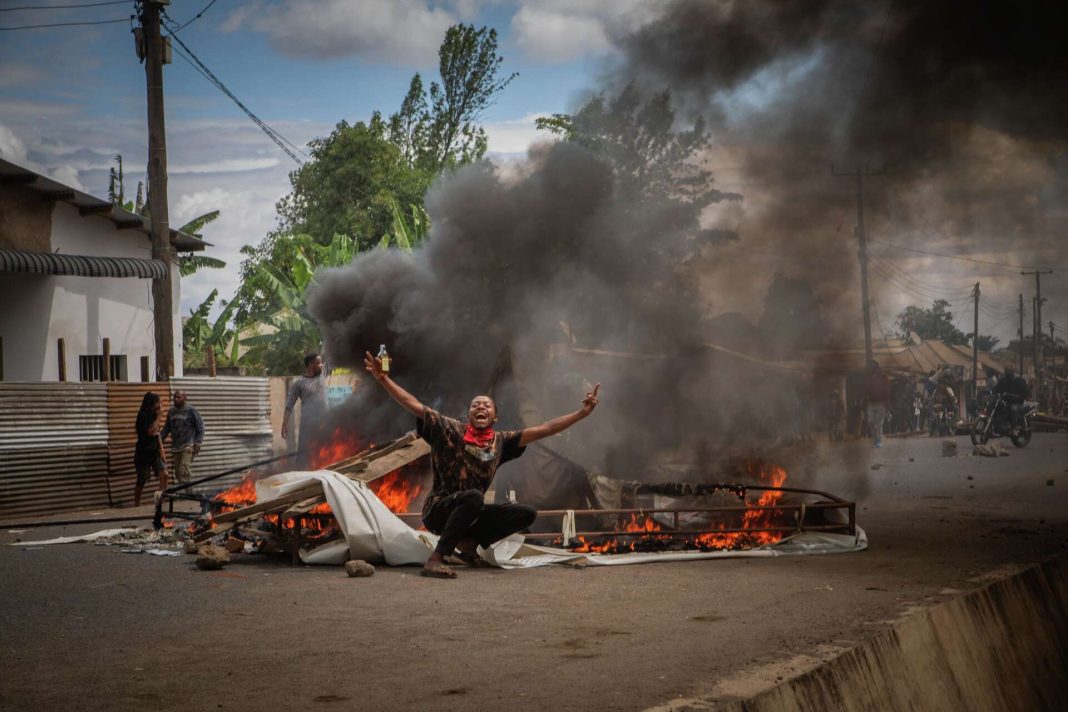
The Mission described the election day as “initially peaceful but later marred by violence and panic.”
Reports of gunfire, curfews and sporadic clashes in Dar es Salaam, Mwanza, Mbeya, Kigoma and Dodoma disrupted both observation and voter turnout.
A six-day internet shutdown, the Mission said, “had a chilling effect on transparency and citizen trust.”
“The blackout curtailed access to information, hindered independent verification and created suspicion over results transmission,” the AU team said.
Observers were also barred from entering several polling and counting stations, while cases of ballot stuffing and multiple voting were documented.
“These incidents compromise the integrity of the process and call for accountability,” Masisi emphasized.
Women and Youth: Representation Without Power
While noting Tanzania’s legal framework for gender inclusion, the Mission stressed that “special seats have not translated into substantive empowerment.”
“True gender equality means equal opportunity to compete, not token representation,” the statement read.
It also noted that the youth remained largely excluded, citing financial constraints and procedural barriers to voter registration.
AU Calls for Urgent Reform and Restraint
The Mission urged Tanzanian authorities to “embark on far-reaching constitutional and electoral reforms” to restore public confidence and align the country with continental norms.
“The African Union stands ready to support Tanzania in building institutions that guarantee independence, transparency and accountability,” President Masisi said.
Expressing sympathy for those killed or injured in post-election violence, the Mission appealed for calm:
“Security agencies must act with restraint and ensure that every life lost is accounted for.”
The final comprehensive report will be published within two months and is expected to outline specific recommendations on electoral management, judicial reform and political inclusion.