
By Anderson Ojwang
The much-talked-about, celebrated and hyped Mt Kenya economic powerhouse could soon be neutralised, with new economic tigers emerging to claim stake in the national Gross Domestic Product (GDP).
The unanticipated emergence of new economic players in the country will alter the current economic order and has not only rattled the Mt Kenya financial kings and queens but opened a new economic power game in Kenya.
The assumptions that Mt Kenya controlled the country’s economy and GDP could soon be folklore stories told of once upon a time, as new economic tigers prepare to claw their way into the heart of the country’s economic conversation.
For President William Ruto, deliberate economic and development initiatives in areas that were previously marginalised will thrust him into the annals of Kenya’s history of how he rewrote the country’s economic chapter.
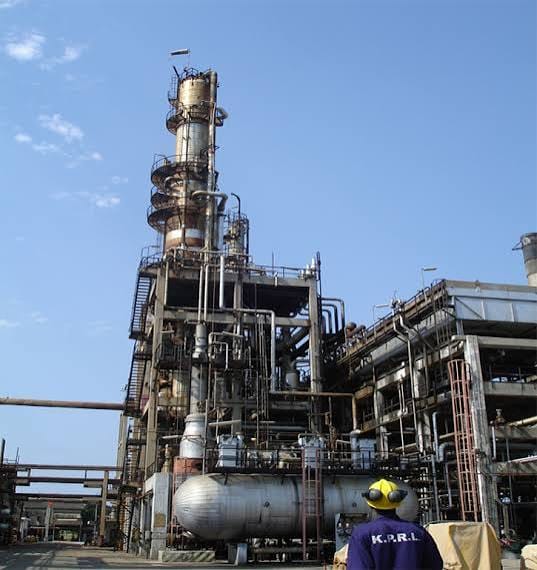
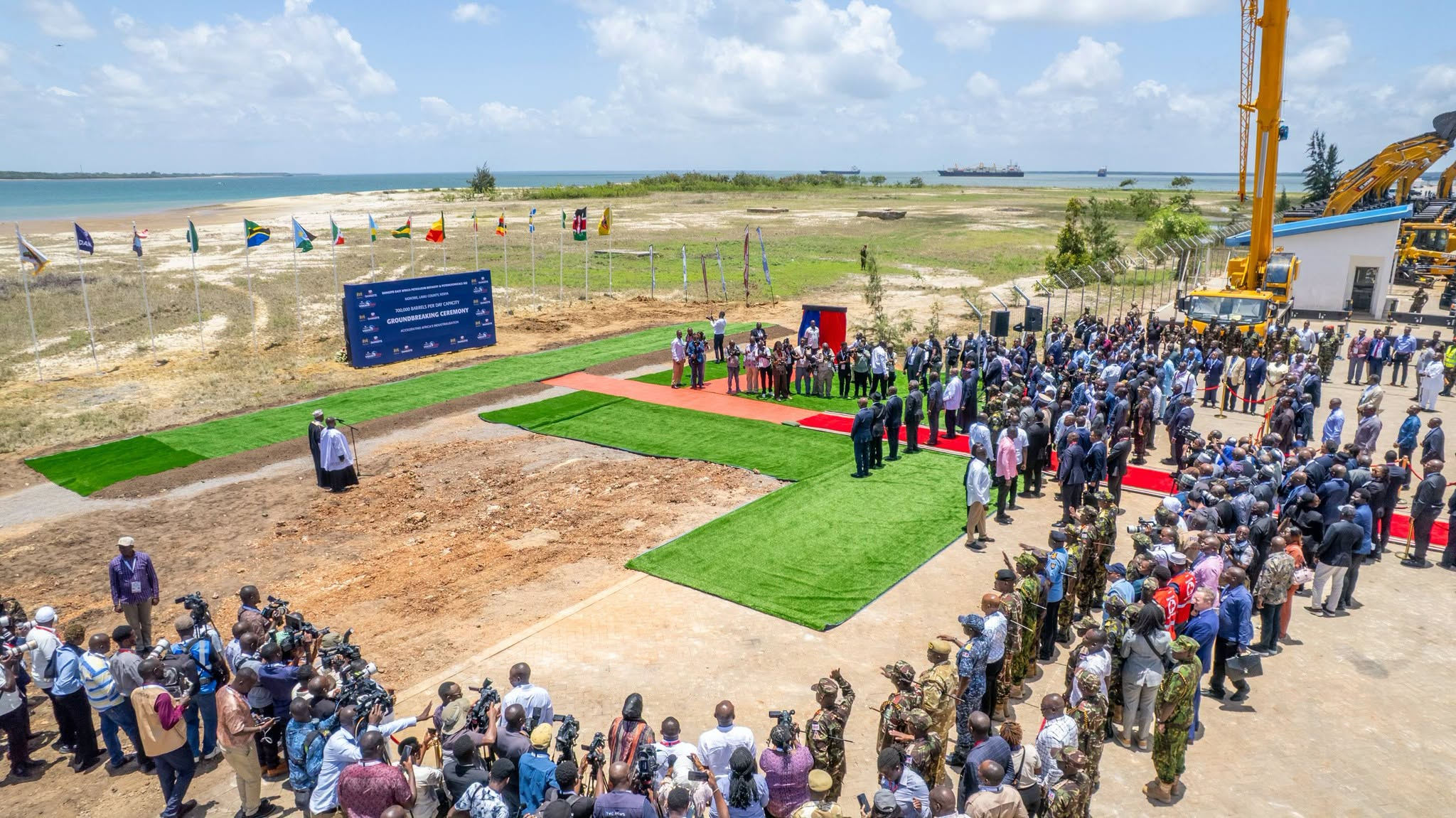
Similarly, through the Sh2.2 trillion Lamu Oil Refinery, President Ruto will now be in pole position to challenge the Kenyatta family’s and Mt Kenya’s stranglehold on the country’s economic order.
This could explain why the former close ally of Ruto and the Kiharu MP Ndindi Nyoro, among other leaders from the region, led the onslaught against the project.
Ndindi recently called for the disclosure of shareholders in the proposed Dangote-linked refinery in Lamu, saying Kenyans should know who owns the project if it proceeds.
In a recent post, Ndindi wrote, “This post is for archives. It will be useful soon when the dust settles.
Anyone who knows this Government knows one thing, every popular project and programme is usually the most vulnerable to patronage.
They always know you can always get away with anything and attack those who ask credible questions as ‘wale hawataki tujenge this or that’.”**
Ndindi questioned the shareholders in the Dangote Lamu Oil Refinery and wanted all details to be made public.
**“We are all in support of Foreign Direct Investments and especially from our African investors like Dangote. The questions and responsibilities is on the Government of Kenya who must not blubber but just make everything public.
How much land are we ceding to Dangote refinery? Is the value being converted to Equity or shareholding? What is the value?
How much has Kenya committed to invest directly into Dangote East Africa Refinery? Is there premium in the amount?”** he quipped.
But Ruto dismissed Ndindi and his allies as those who have for a long time frustrated international investors, he said.
Olkalou MP Sammy Kamau asked, “What is this that is so urgent about having a refinery in Lamu that it can’t wait for things to be done the right way?”
But Ruto said brokers and the past regime had negated and undermined investments in the country.
“Ruto you cannot ‘con’ us all the time. Because of your ‘conmanship’ and demand for share. The share brokers have no place here. They told us they want shares, whose gets what share? This con game is why Kenya lost investors,” he said.
Ruto said Dangote had proposed to construct a cement factory in Kenya but was frustrated by the previous regime.
“Dangote was to construct cement factory in Kenya and could not do so because of the share demand from some quarters and bureaucracy. He had to relocate somewhere else,” he said.
He said the Ugandan Government was also to construct a pipeline from Uganda to Mombasa but was also frustrated by the past regime.
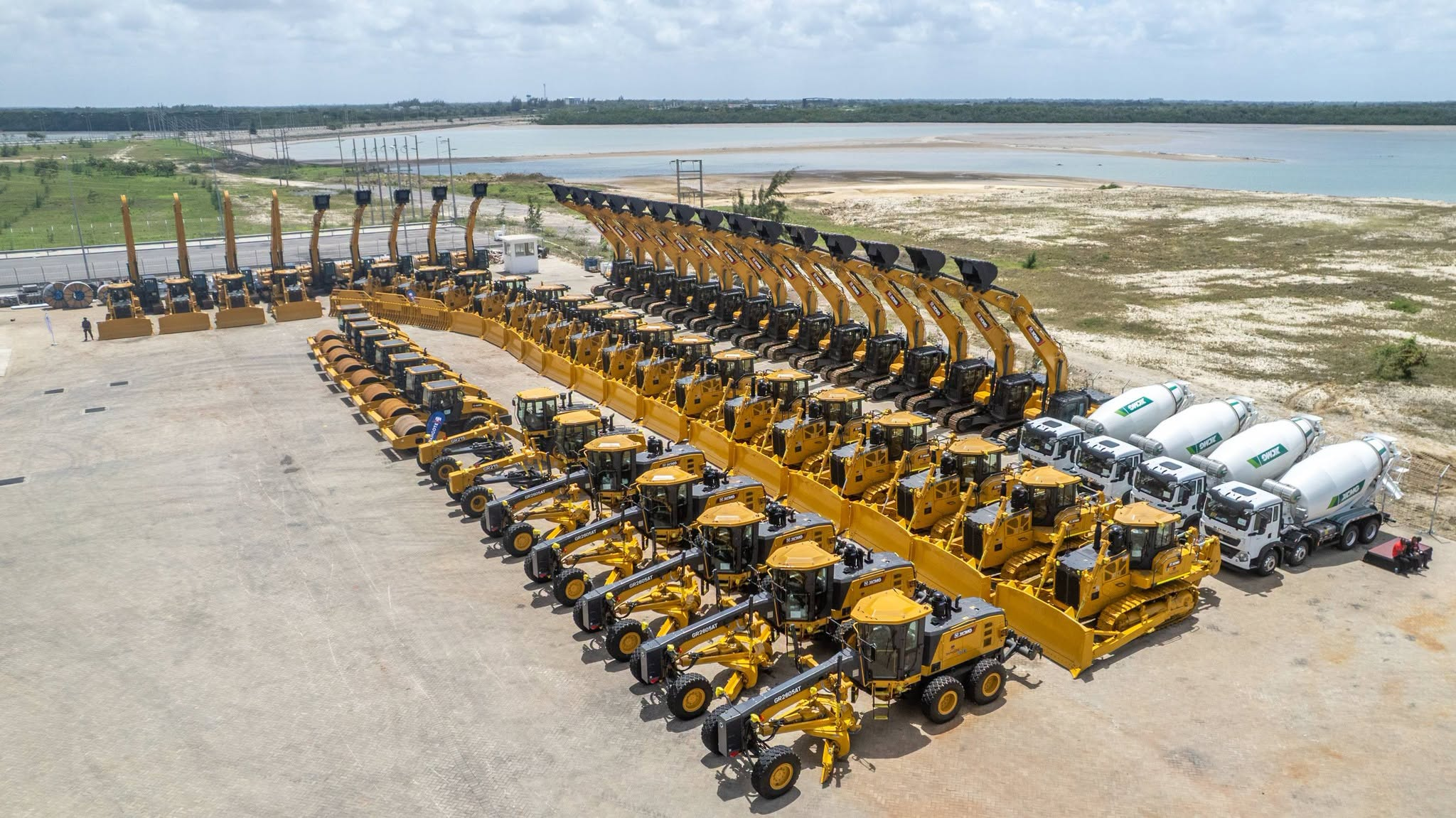
“Uganda Government was to build pipeline for crude oil through Mombasa. But share brokers played similar game with Uganda and it was subsequently taken to Tanzania,” he said.
Ruto said he would not allow the previous game, which was played by the previous regime, to undermine investors.
**“They now think they can play the con game on Dangote. I am telling them, my eyes are open and I am watching your game.
You cannot succeed here. For several years disturbed our country for years,”** he said.
Ruto said when he took over as President in 2022, foreign direct investment into the country was 1.6 billion dollars and, four years into his regime, in 2025, it moved to 3.1 billion dollars and this year it would shoot up and, because of the Dangote investment, it would be between 6–7 billion dollars in investment.
The Lamu Refinery is likely to trigger an economic moment in the oil-rich region of Turkana, Nyanza and other regions.
A milestone
ODM party leader Dr Oburu Oginga said the investment was a milestone to the country’s economic growth.
“While the path to this groundbreaking was deliberately frustrated by the bureaucratic sabotage, petty roadblocks, and shortsighted hurdles erected by the past regime, true vision cannot be suppressed,” he said.
Oburu appreciated President Ruto for recognising the transformative potential of the project, intervening decisively and providing the necessary State goodwill to turn the cross-generational vision into reality.
“By removing the historical hurdles, the administration has shown that national development and the economic welfare of our people must always transcend past political animosities,” he said.
Oburu said the refinery was a step towards breaking the chains of economic dependency.
Blocks
Energy and Petroleum Regulatory Authority (EPRA), in its latest report, says Kenya currently has four sedimentary basins covering an estimated 485,000 square kilometres, with the Lamu Basin accounting for the largest area at 261,000 square kilometres.
The other basins are the Tertiary Rift, covering about 100,000 square kilometres, the Anza Basin at 81,000 square kilometres, and the Mandera Basin at 43,000 square kilometres.
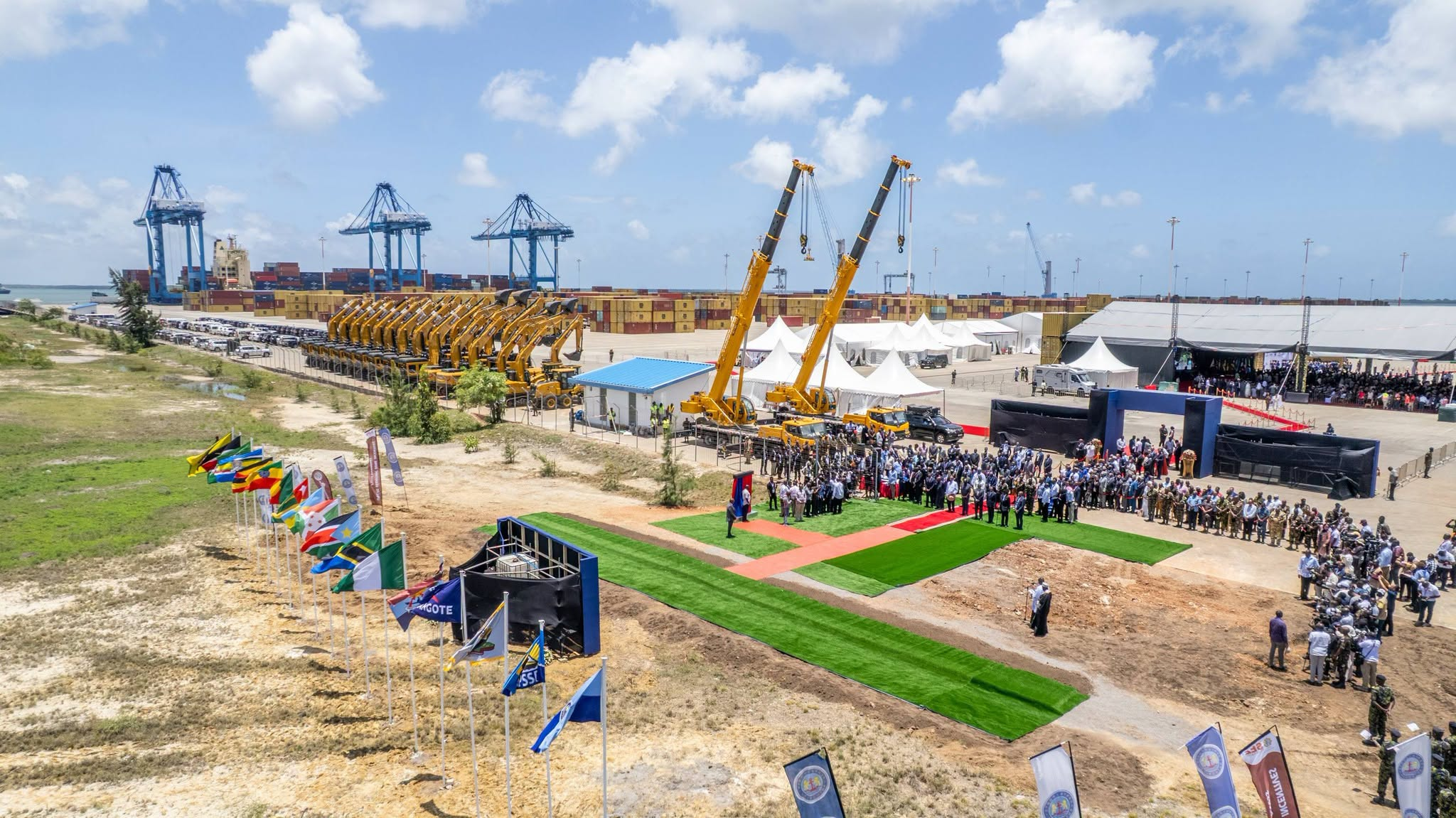
The Tertiary Rift is currently the country’s most advanced petroleum province and includes the South Lokichar sub-basin, where significant oil discoveries have been made in Turkana County, according to EPRA.
EPRA reported that 95 exploration wells have been drilled across Kenya’s sedimentary basins, with exploration activity providing data on the country’s petroleum potential.
The country has 50 petroleum exploration blocks, with 29 located in the Lamu Basin, 12 in the Tertiary Rift, six in the Anza Basin and three in the Mandera Basin.
EPRA said the Government was preparing data packages for a new licensing round covering open blocks, potentially creating room for further exploration in areas that have not yet reached commercial development.
For South Lokichar, however, Kenya has moved beyond exploration, with the Field Development Plan for Blocks T6 and T7 covering the Ngamia, Amosing, Twiga and Ekales fields approved in November 2025 and subsequently ratified by Parliament in February 2026.
The development is expected to start with production of 20,000 barrels of crude oil per day from the Ngamia and Amosing fields, before a second phase raises output to a targeted 50,000 barrels per day as production expands to additional fields in South Lokichar.