

By Sandra Blessings
What a risk could the country be putting lactating mothers and women at now that the country suffers a shortage of essential contraceptives and family planning commodities?
The country is currently facing an acute shortage of contraceptives and family planning commodities.
Kenya Medical Supplies Agency has run out of stock of the most essential family planning commodities, and this poses a serious danger to medical service provision.
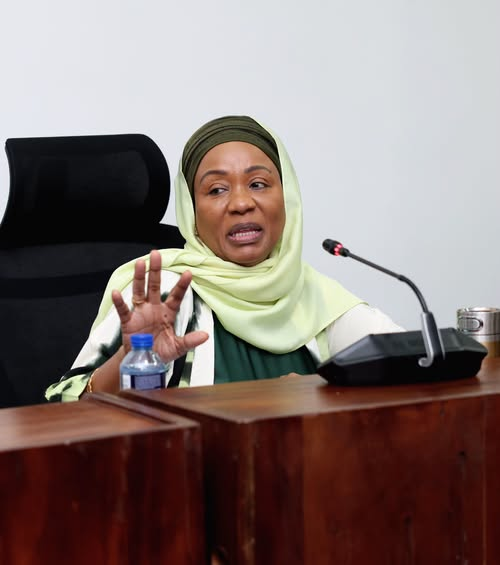
Senator Hamida Alo Kibwana raised the red flag when she sought a statement from the Senate Standing Committee on Health over an acute shortage of contraceptives and family planning commodities across Kenya.
Sen. Hamida told the House that nine of the 13 essential family planning commodities are out of stock at the Kenya Medical Supplies Agency, including injectable and oral contraceptives, with lactating mothers hit hardest by the shortage of progestogen-only pills.
The legislator wants the Committee to establish the current status of contraceptive and family planning stocks at KEMSA and across the 47 counties, including the commodities affected, the causes and duration of the stock-outs, and the counties and health facilities worst hit.
“The crisis has been worsened by outstanding obligations exceeding KSh600 million, and inadequate budgetary allocations, with only KSh500 million earmarked against an estimated requirement of KSh3.8 billion for the 2026/2027 Financial Year,” said Sen. Hamida.
Turning to the financing gap, the Senator sought clarity on the outstanding obligations owed to KEMSA by UNFPA, along with Government commitments under the Kenya-UNFPA matching-funds arrangement and the timelines for settling them.
She further pressed the Ministry of Health and the National Treasury to explain the measures being taken to address the funding shortfall for the 2026/2027 financial year, and the amounts released to date.
Beyond the immediate crisis, the lawmaker asked for the interventions being rolled out to restore supplies for lactating mothers, adolescents, and women in rural and underserved areas who depend on public health facilities.
She also asked for plans to prevent future shortages through improved procurement, financing and supply chain management.
The request has been committed to the Senate Committee on Health for action.