

By Reporter
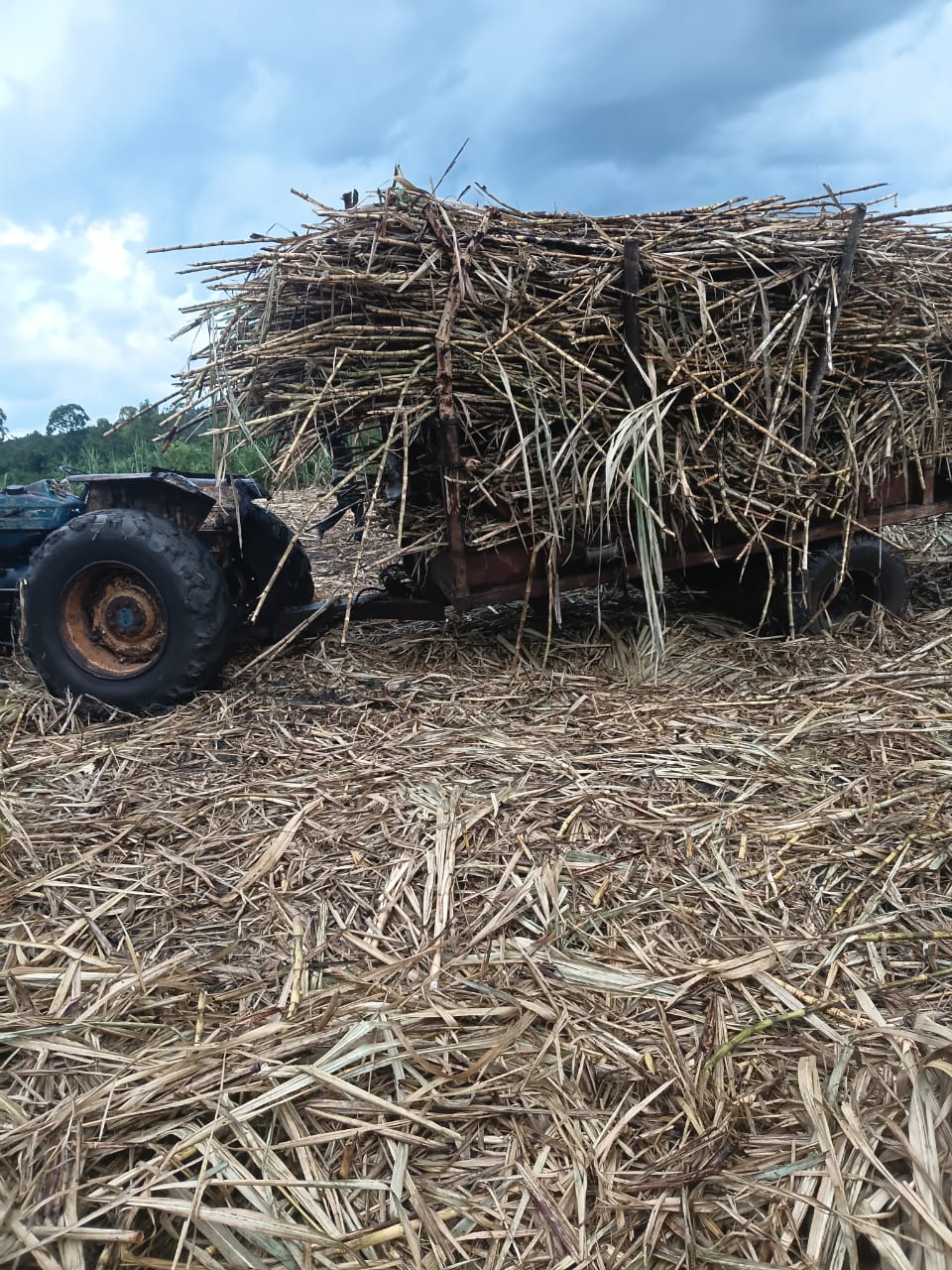
Cane farmers in the Kisumu-Nyando Sugar Belt may incur huge losses after some of the cane harvested two weeks ago may go to waste.
The farmers said the continued delay in collecting harvested cane in the belt would hurt their revenue and lead to huge losses.
They said canes harvested two weeks ago were yet to be collected from the farms by the millers, Kibos Sugar and Allied Industries, Chemelil Sugar Factory, Muhoroni Sugar Factory and West Valley.
“The cane may lose their value and this will impact negatively on the farmers. We appeal to the factories to urgently address the matter,” they said in a statement.
Chairman of Kisumu-Nyando Sugar Belt Cooperative Union, Mr Zedekiah Odhiambo, confirmed the crisis, saying they had scheduled a meeting with the millers.
Odhiambo said the situation could have been influenced by accidental fires during the dry spell, which left several hectares of cane burnt.
“Collection of burnt canes became an emergency and this could have contributed to the slow movement. It is also time the millers invested in transport to address the slow movement,” he said.
He said they had scheduled a meeting next week with the millers to address the crisis and to find out how to collect the already harvested canes.
Despair
Sugarcane farmers, especially in Kisumu County, face massive problems due to the high cost of land preparation and farm inputs such as fertiliser and herbicides.
In addition to the intensive labour needed in terms of weeding, the real problem starts when the cane matures for harvesting.
“First, to get their fields in the harvesting programme, they have to noble local cooperative leaders who only show up at harvest time but are absent during land preparation, weeding,” they said.
The cane-cutting sub-contractors who provide labour demand top-up… a form of bribe to ensure the cane is actually cut.
Then the killer, transporting the cane to the factory, is a nightmare.
There are only a few transport units to cover a wide area, despite sugarcane growing extending to new areas like Seme.
The tractors are very few, and the result is that farmers’ cane can remain in the farm for as long as two to three weeks, drying in the hot sun and losing weight in the process.
“This impoverishes the already overburdened farmers. The problem is exacerbated by the numerous fields which burn, especially during the dry season,” they said.