
By Billy Mijungu
The return of high taxes raises a fundamental question: why does government resist the logic of a low-tax and human-centred economy?
Citizens are under immense pressure. A responsible government should not prioritise brick and mortar achievements over the lived realities of its people. Development must begin with human dignity, not just infrastructure.
Take basic education. We already agree in principle that it should be free. Why then do we hesitate to fully declare and implement it as such? A nation that invests in universal quality education is not spending; it is securing its future.
Healthcare presents an even clearer contradiction. The Social Health Authority (SHA), in its current form, is struggling to inspire confidence. Instead of overburdening salaried workers through payroll deductions, why not rethink funding through a broader consumption model? If structured progressively, a consumption-based contribution could spread the burden across the economy, ease pressure on payslips, and allow citizens to simply walk into hospitals and access care without bureaucratic friction.
On housing, the public sentiment is unmistakable. Kenyans are not resisting housing; they are resisting the model. What they seek is social housing that prioritises the vulnerable, not schemes that appear to favour those already able. With multiple revolving funds already established, the housing programme should now be self-sustaining. Continued deductions from workers only deepen resistance.
This brings us to taxation more broadly. As VAT expands, there is a strong case for progressively reducing income tax, even toward single-digit rates over time. Relief on income would stimulate consumption, encourage compliance, and restore some dignity to earnings.
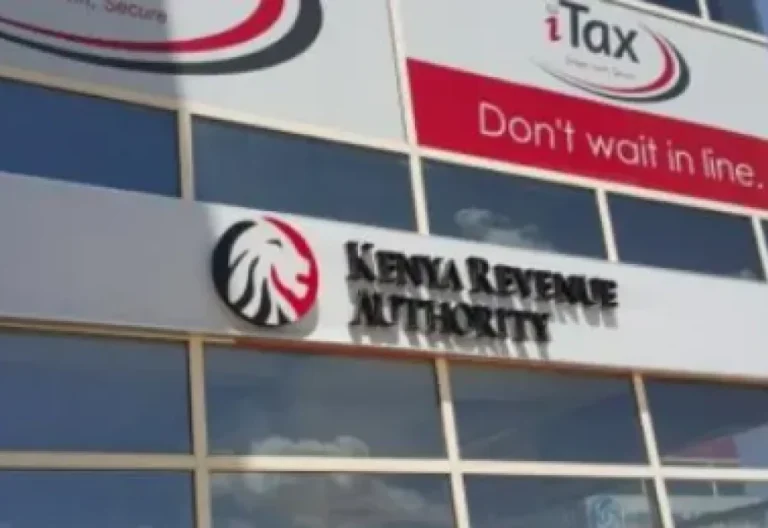
Finally, on debt, the solution is not simply higher taxes but better efficiency. Kenya does not necessarily suffer from too little taxation but from leakages, inefficiencies, and a narrow base. Improving collection systems, sealing loopholes, and expanding the formal economy would yield more sustainable results than increasing the burden on already compliant taxpayers.
The path forward is not complicated. Shift the focus from extracting more to managing better. From infrastructure headlines to human outcomes. From pressure to productivity.
That is how we move forward.