

By Billy Mijungu
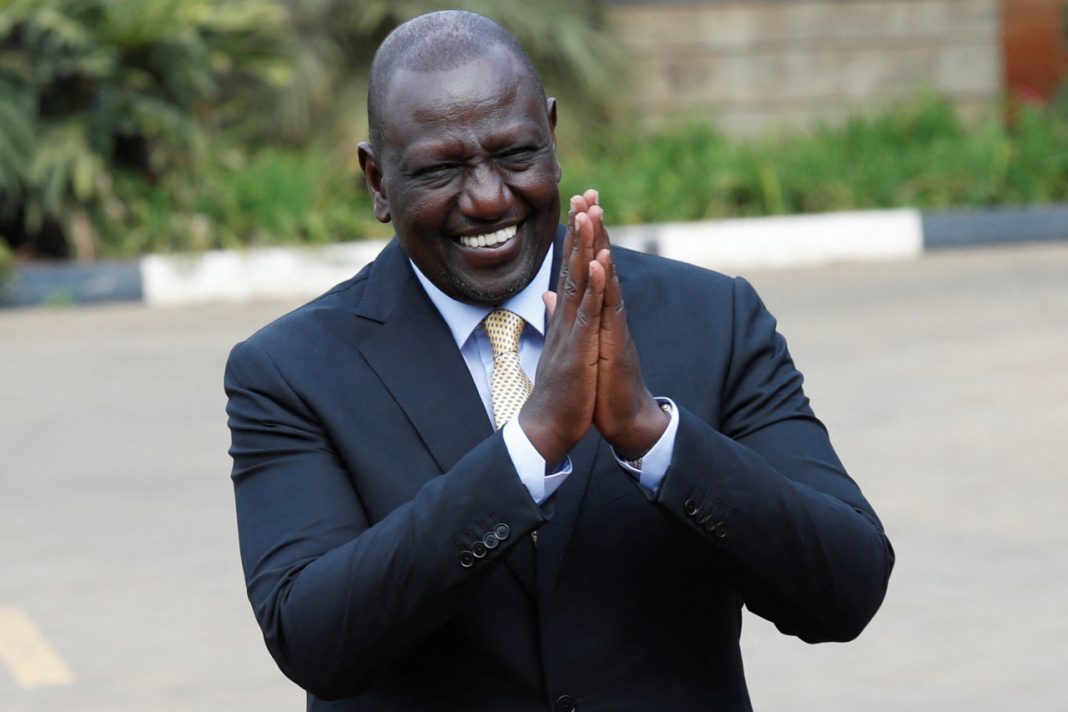
William Ruto has moved early to calibrate and consolidate his political machinery ahead of 2027. He understands a simple truth that many ignore. Elections are not won on voting day. They are secured long before, in the quiet discipline of preparation, in structures rooted at the grassroots, in networks designed to report, mobilise, fundraise and defend. Power rests on systems. Discipline outperforms excitement. Coordination outlasts outrage.
The Opposition commands numbers and emotion. It channels public frustration, economic pressure and political fatigue. It fills spaces and shapes conversation. But numbers without structure rarely convert into victory. Crowds disperse. Systems endure. Votes must be guarded. Tallies must be verified. Agents must be recruited, trained and retained. Organisation is the invisible shield behind every successful campaign.
Ruto did not start from zero. He refined systems sharpened during the administrations of Uhuru Kenyatta and Mwai Kibaki and fused them with networks he built over decades. The result is a layered command that stretches from national leadership to the polling station. It is structured, deliberate and patient.
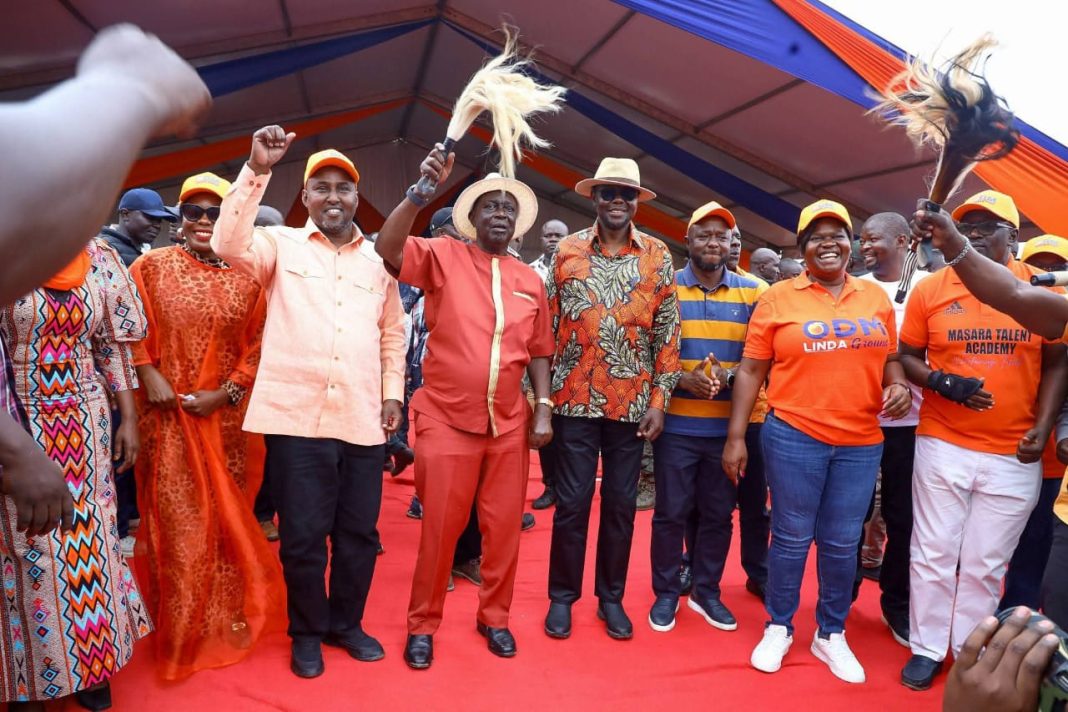
The only formation with comparable institutional experience since 2007 has been the Orange Democratic Movement. Should that machinery weaken or fragment, the balance tilts further. Beyond it stands the Wiper Democratic Movement–Kenya, leaner and less resourced. The disparity then becomes structural rather than emotional.
The Opposition must confront a hard lesson. Democracy rewards preparation. People do not count votes. Systems do. People do not secure results. Structures do. Passion without planning ends in protest. Planning with precision ends in power.
When competition is treated casually or surrendered prematurely, submission follows. Dominance thrives in the absence of organised resistance. Accountability weakens when contestation fades. Kenya requires competition that is serious, strategic and sustained. That is how leadership remains responsive and governance stays accountable.
There is still time. Time to build ward-level networks. Time to train and deploy polling agents. Time to raise and allocate resources wisely. Time to unify command. Emotional momentum must be transformed into disciplined architecture. Without that shift, the very citizens who demand change may inadvertently reinforce the system they challenge.
Politics is not only about who is loved. It is about who is prepared. In that truth lies the real contest for 2027.