
Home Blog Page 10

State Agencies owe Kenya Universities and Colleges Central Placement Service Shh 500M, Education Committee wants them named

0

By Reporter

Failure to remit the Sh1,500 placement fees to the Kenya Universities and Colleges Central Placement Service has led to a debt of Sh300M and negating service delivery by the institution.

And now the National Assembly Committee on Education wants the Kenya Universities and Colleges Central Placement Service (KUCCPS) to disclose the categories of institutions that have defaulted on remitting the Sh1,500 placement fee invoiced to them after placement, which has resulted in an accrued debt of Sh300 million.

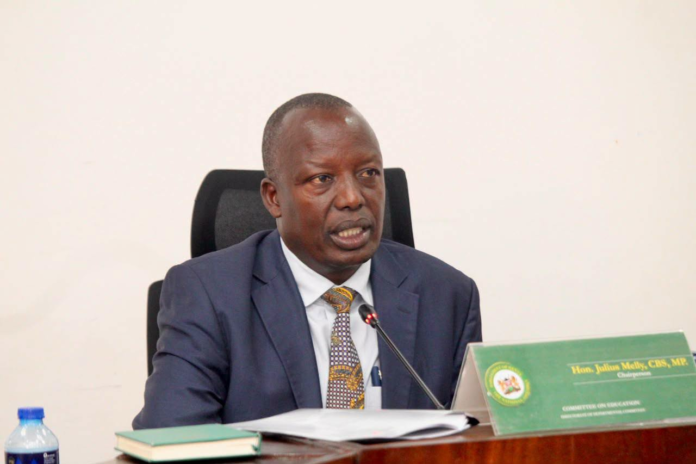
The matter came up during a meeting which was chaired by the Committee Chairperson, Mr Julius Melly, to scrutinise the Service’s budget implementation status for the FY 2025/2026.

While appearing before the Committee, the Chief Executive Officer (CEO), Dr Agnes Wahome, highlighted failure by institutions to pay the placement fees as a reason they had not met the targeted Sh284 million in placement fee AI-A and had only raised Sh261 million.

“Placement fees are monies invoiced to institutions after we have finished with placement. But some institutions fail to honour their obligations to pay, thus we could not achieve our target. We have about Kshs 300 million that has not been paid by institutions, mainly universities,” she said.

Mrs Eve Obara, the Committee Vice-chairperson, while reacting to the presentation by KUCCPS, asked the measures they have put in place to ensure the recovery of the accrued debts from placement fees.

“Table 3 shows that placement fees underperformed (Kshs. 261.57 million actual vs. Kshs. 284.16 million target) because ‘not all institutions were able to honour their obligations’.

Which categories of institutions (public universities, private colleges, or TVETs) are defaulting on these remittances, and what legal or administrative recourse is KUCCPS taking to recover these debts?” Obara asked.

Dr Wahome said this financial year they have made an agreement and universities signed and agreed to start paying the debt in instalments.

“We charge a one-off minimal fee of Kshs 1,500 for placement and validating the list so that the university fund and HELB can process the Fund to the universities to the students,” she said.

The CEO said it was sad that in certain situations some universities do not remit.

“However, starting this Financial Year, we made an agreement and universities signed and agreed to start paying the debt in instalments,” she said.

KUCCPS also told the Committee that during the Financial Year, the absorption rate was at 89%, amounting to Kshs 710M of the approved budget of Shs 796.5M, which were internally generated.

Budget absorption

Separately, Jomo Kenyatta Foundation (JKF), also appearing before the Committee, said they had 100 per cent budget absorption rate of the funds received from the Exchequer.

The Managing Director, Mr David Mwaniki, was asked how JKF reconciled the position that they had a 100 per cent budget absorption rate while the actual Exchequer disbursement was slashed by 81%, leaving core operations fundamentally underfunded.

National Council for Nomadic Education in Kenya (NACONEK) was the last institution to make their submission before the Committee.

For NACONEK, where they recorded a high overall budget utilisation rate of 96.46%, expending Kshs 5.44 billion out of the revised Kshs 5.64 billion budgets.
International education expo to feature 32 universities

0

By Reporter

An education expo featuring 32 universities from across the globe will be held next week to cater for mainly over 50,000 KCSE students who missed local public university applications this year.

According to the Kenya Universities and Colleges Placement Services (KUCCPS), it was recently disclosed that a total of 212,510 out of 268,714 students who attained a mean grade of C+ and above in the 2025 KCSE examinations have so far applied for various courses.

It means nearly a quarter of those who qualified did not have the desire to study locally or were time-barred and could not meet the deadline for applications.

Significantly, some of the courses attracting some students are not offered in the country, especially at a time when Artificial Intelligence training is in top demand.

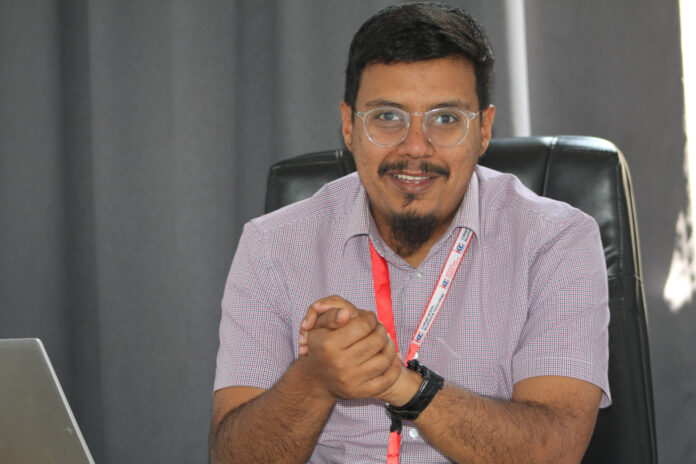
“This coming Expo at Sankara Hotel in Nairobi is partly an answer to this gap,” says the Imperial Education Consultants Director, Mohammed Karama.

He noted that other than the fact that students and parents are able to meet directly with officials from the universities in person, it will also be free of charge.

“At IEC we link students with over 400 universities across 20 countries and we make sure our people get the very best of their choices,” he said during a dinner for Constructor University expo at a Nairobi hotel.

According to the Constructor University Regional Representative, Terry Muriungi, the university is particularly for Kenyan students because classes are taught in English.

“Many think that for you to study in Germany you have to first learn German. That is not true,” she said whilst addressing guidance and counselling teachers at a Nairobi hotel yesterday.

Present at the function was Castro Tsuma, who bore witness to the fact that studying in Germany was a great experience for him, especially at Constructor, where he is also able to work in between studies.

“The people in Germany are good and very friendly and I get to work when I am not in class, earning some money for my use,” said the former St Mary School student, who is currently pursuing a degree in Information Technology.

Notably, a good number of the universities have scholarships for bright students, easing the financial burden on the parents.

IEC Nairobi Manager Marthad Said Ali told the teachers that the institution not only caters for linkages with international universities but also offers the language and science tests required for visa application.

“Our TVETA accreditation is on the way and we are already offering these crucial courses that enable successful visa applications,” he said.

The institution based in Parklands, Nairobi, today links East African students to the UK, USA, Canada, Australia, New Zealand, Ireland, Germany, UAE, Malaysia, Switzerland, Spain, Mauritius, Turkey and India.

Mr Karama is happy to have initiated the programme after himself experiencing world-class university education in Malaysia with a partial scholarship from Jaffer Foundation in Mombasa.

Recently, IEC has penetrated Southern African countries, including Zambia, Malawi and Mozambique.

The Study Abroad Expo will be held at Sankara Hotel from 10 am to evening on September 19 and will be followed by another on September 22 in Mombasa at Bliss Resort, Nyali.

After Kenya, Diaspora becomes the next port of call for Linda Mwananchi with USA first destination

0

By Anderson Ojwang

The organic growth of Linda Mwananchi is fast spreading its tentacles not only in the country but also globally, with the group receiving invites from Kenyans in the diaspora.

After a series of successful rallies in Kenya, the political momentum is not about to fade out, but the intensity is growing, with the United States of America becoming the next port of call for the Linda Mwananchi group.

The accidental movement birthed from a political fallout in the Orange Democratic Movement (ODM) over the pre-election coalition arrangement between President William Ruto’s United Democratic Alliance (UDA) with ODM and the sacking of the party Secretary-General Edwin Sifuna is on the move.

This weekend, Linda Mwananchi will hold its first rally in Nairobi that would mark a milestone in its quest for not only the city gubernatorial seat but also the presidency.

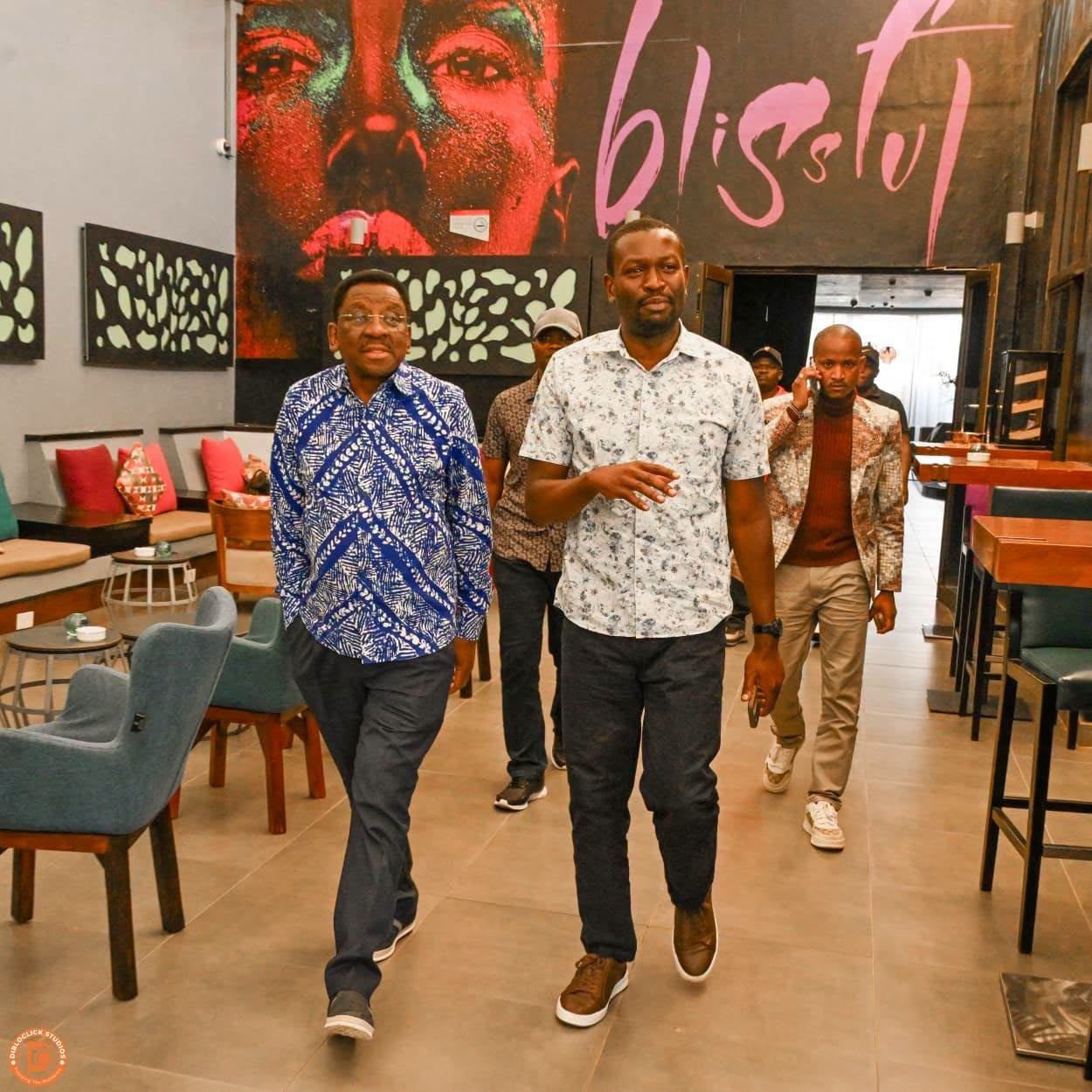
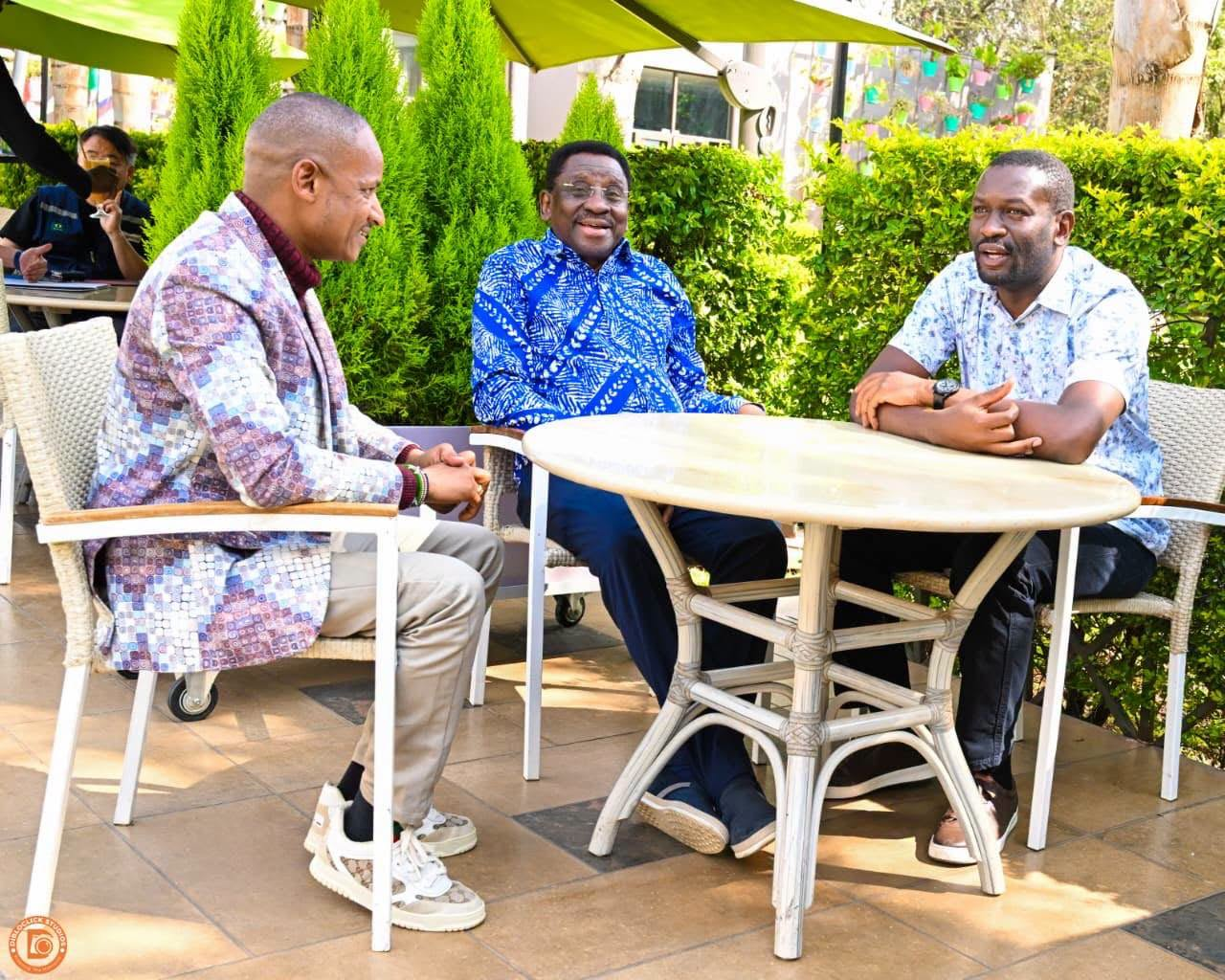
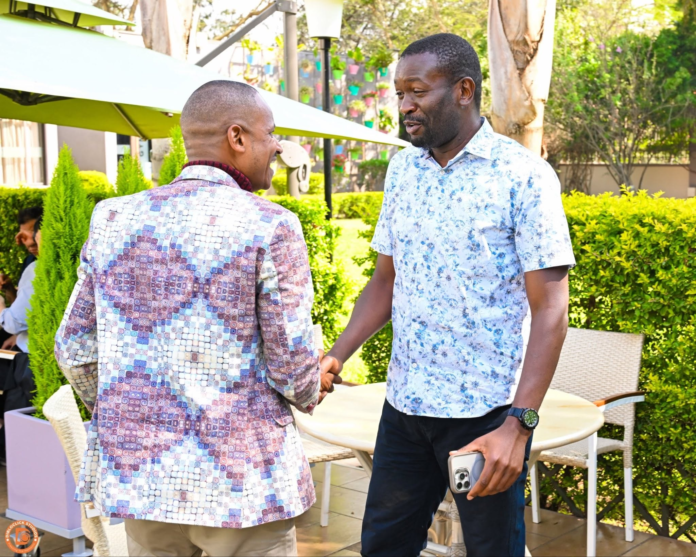
The leadership of Linda Mwananchi—Sifuna, Siaya Governor James Orengo and Embakasi East MP Babu Owino—have been engaging delegations and ambassadors in new political realignments in the country.

Port of call

USA has always remained an important determinant in Kenya’s political dispensation, and leading political leaders have often visited the country to engage with Kenyans in the diaspora, fundraise and address major gatherings.

And now Linda Mwananchi finds itself in the rank and file of the parties and leaders trooping to the USA.

Currently, former Deputy President and party leader of the Democracy for Citizens Party (DCP), Rigathi Gachagua, is in the USA for a 50-day visit, a second one in two years.

President Ruto is also expected to visit the USA later this month to attend the United Nations General Assembly (UNGA) in New York.

Wiper Leader Kalonzo Musyoka visited the country in February 2026. Kalonzo attended the 74th National Prayer Breakfast on February 5th, 2026.

Invite

Sifuna and his colleagues are expected to visit the United States of America to woo the Kenyan diaspora community to back their political aspirations and fundraise for his presidential quest.

Linda Mwananchi’s US fundraising director, Paul Lwali, has made a request to Washington authorities to help facilitate the group’s two-day tour to the country on an undisclosed date.

According to a report published by The Africa Intelligence on September 7, 2026, Lwali submitted to the US Foreign Agents Registration Act (FARA) in mid-August about the intended tour.

Kisii Senator Richard Onyonka confirmed the planned visit, saying the movement was extending its tentacles beyond the country’s boundaries.

“Yes, it is true that we have planned a series of diaspora tours, including the US. Kenyans abroad are eager to hear from us. They want to know our plans for the country and what we will do to bring change,” Onyonka said.

High stakes meetings

Sifuna recently held high-profile meetings with diplomats, including British High Commissioner Matt Baugh and acting US Ambassador Marc Dillard.

Recent diplomatic engagements involve envoys from countries like the UK, the US, France, Germany and Australia.

Implications

Linda Mwananchi is eating into the political profile and space of ODM and acquiring the political roots of former party leader, the late Raila Amolo Odinga.

Raila in his life held a series of high and powerful meetings, gave lectures abroad and fundraised locally and globally.

The current leadership has been relegated to the periphery and hardly gets mentions in the high-profile meetings and invites by the diaspora.

Diaspora factor

Kenyans living in 12 countries were able to vote during the 2022 General Election. A total of 10,444 voters abroad were registered for the 2022 polls, compared to just 4,223 in 2017.

According to the Independent Electoral and Boundaries Commission (IEBC), out-of-country voting is allowed for the presidential election only.

Kenyan voters outside the country initially could only vote from 12 countries, chosen based on the number of Kenyans who live there. The countries are Burundi, Canada, Germany, Qatar, Rwanda, South Africa, South Sudan, Tanzania, United Arab Emirates (UAE), Uganda, the UK and the US.

In April, it was reported that at least 16 countries will be added to Kenya’s diaspora voter registration programme as the IEBC moves to expand participation ahead of the 2027 General Election.

The expansion targets countries with significant Kenyan populations and is guided by population size, feasibility and cost considerations. The 16 countries include Saudi Arabia, Botswana, Oman, Australia, Sweden, Switzerland (Bern), the Netherlands, Ghana, Italy, the Democratic Republic of Congo (DRC), Nigeria, Ireland, Türkiye, Ethiopia, China (Guangzhou) and Mozambique.

The IEBC also plans to roll out mobile registration centres to widen access in high-density diaspora locations, particularly in South Africa, Canada and the United States, as well as other cities with large Kenyan communities.

The Commission said mobile centres will be deployed in selected diaspora hubs in South Africa, Canada and the USA to enhance accessibility and participation.

Currently, it is former Deputy President Rigathi Gachagua who is on a tour of the US and has continued his engagements with Kenyans living there.

Battle over the vacant parliamentary commission seat, with Western and Nyanza

0

By Reporter

The battle for the vacant seat for the Parliamentary Service Commission has brought tension within the Orange Democratic Movement right in the middle.

The competition and battle for the seat pits ODM MPs from the Luhya community revolving around Cabinet Secretary Wycliffe Oparanya, who have demanded that the post be retained in the region.

On the other hand, a section of MPs from Nyanza are of the opinion that the seat should go to either Siaya or Migori, where two applicants were shortlisted.

In a press statement read by the Luhya parliamentary caucus and attended by CS Oparanya, the caucus demanded that the vacant seat be preserved for the Luhya community after the expiry of the six-year term of Commissioner Rachel Ameso.

“We demand that the vacant seat that was held by Commissioner Rachel Ameso be retained in Western Kenya. This is our position,” Raphael Wanjala read the statement on behalf of the caucus.

In a recent advert, the Parliamentary Service Commission listed the shortlisted candidates and interview dates. The interviews are scheduled for 10th September 2026.

“The Parliamentary Service Commission hereby publishes the names of applicants shortlisted for the position of female non-MP Commissioner of the Parliamentary Service Commission under Article 127(2)(d) of the Constitution, as well as the dates and timings of the respective interviews,” read the advert.

The shortlisted candidates included Amb. Amina Ali Abdalla from Nairobi, CPA Margaret Nyakoboke Ogega from Kisii, Betty Mbonne Nysge from Trans Nzoia, Denitah Ghati from Migori, Diana Nadzua Mwacharo from Taita Taveta, Dr Brenda Sara Khanani from Busia, Fatuma Ibrahim Ali from Wajir, Mary Mwende Muthoka from Machakos, Prof Jacqueline A Oduol from Siaya, Rachael Wanjiku Kihara from Nakuru, Stellah Chepkemboi Ruttoh from Nandi and Sunjeev Kaur Birdi from Nairobi.

Western and Nyanza both have two candidates, with the political leaders from the two regions trying to undo one another.

The battle over the seat could further cause disintegration in the party and tension within the ranks and the file.

Already, intense lobbying has been going on over the vacant seat, with some of the broad-based candidates shortlisted.

JOOTRH becomes one of the five hospitals selected as Centres of Excellence for Advanced HIV Care

0

By Sandra Blessing

The fortunes of Jaramogi Oginga Odinga Teaching and Referral Hospital (JOOTRH) are on an upward trend, turning the institution into a medical hub not only in Western Kenya but nationally.

JOOTRH became one of five health facilities in the country selected to serve as Centres of Excellence for Advanced HIV Disease (AHD).

The selection was a move aimed at strengthening specialised care for patients with severe or advanced HIV disease.

The AHD Centre of Excellence model seeks to improve the management of patients at increased risk of life-threatening opportunistic infections and other complications associated with advanced HIV disease.

JOOTRH has reaffirmed its commitment to strengthening AHD services and ensuring patients receive the intended comprehensive package of care.

The hospital’s progress was reviewed during a routine follow-up assessment conducted by the National AIDS and STI Control Programme (NASCOP) in collaboration with the Nyanza Western Regional HIV Technical Working Group.

The assessment provided an opportunity to evaluate progress made since multidisciplinary teams at JOOTRH—including physicians, nurses, laboratory and pharmacy teams—received specialised training in the management of advanced HIV disease.

The teams assessed services across key areas, including the medical and paediatric wards, pharmacy, laboratory and the Comprehensive Care Clinic (CCC). Particular attention was given to the management of opportunistic infections such as cryptococcal meningitis, availability of essential commodities, laboratory capacity, patient follow-up and referral systems.

Leading the NASCOP team, Technical Advisor Dr Lazarus Momanyi said the assessment was an opportunity to review the hospital’s progress and identify areas requiring further strengthening.

JOOTRH manages critically ill patients with advanced HIV disease, including those suffering from cryptococcal meningitis and other opportunistic infections.

The hospital has also strengthened systems for ensuring availability of essential medicines, laboratory services, referrals and follow-up of patients.

JOOTRH Head of Internal Medicine Dr Eve Koile said the hospital has significantly strengthened its capacity to manage advanced HIV disease.

She attributed the progress to improved access to treatment and continued professional development among healthcare workers, which she said has contributed to improved patient care.

Dr Koile said, “JOOTRH has also leveraged its electronic medical records system to strengthen access to patient data for clinical decision-making, service planning and research.”

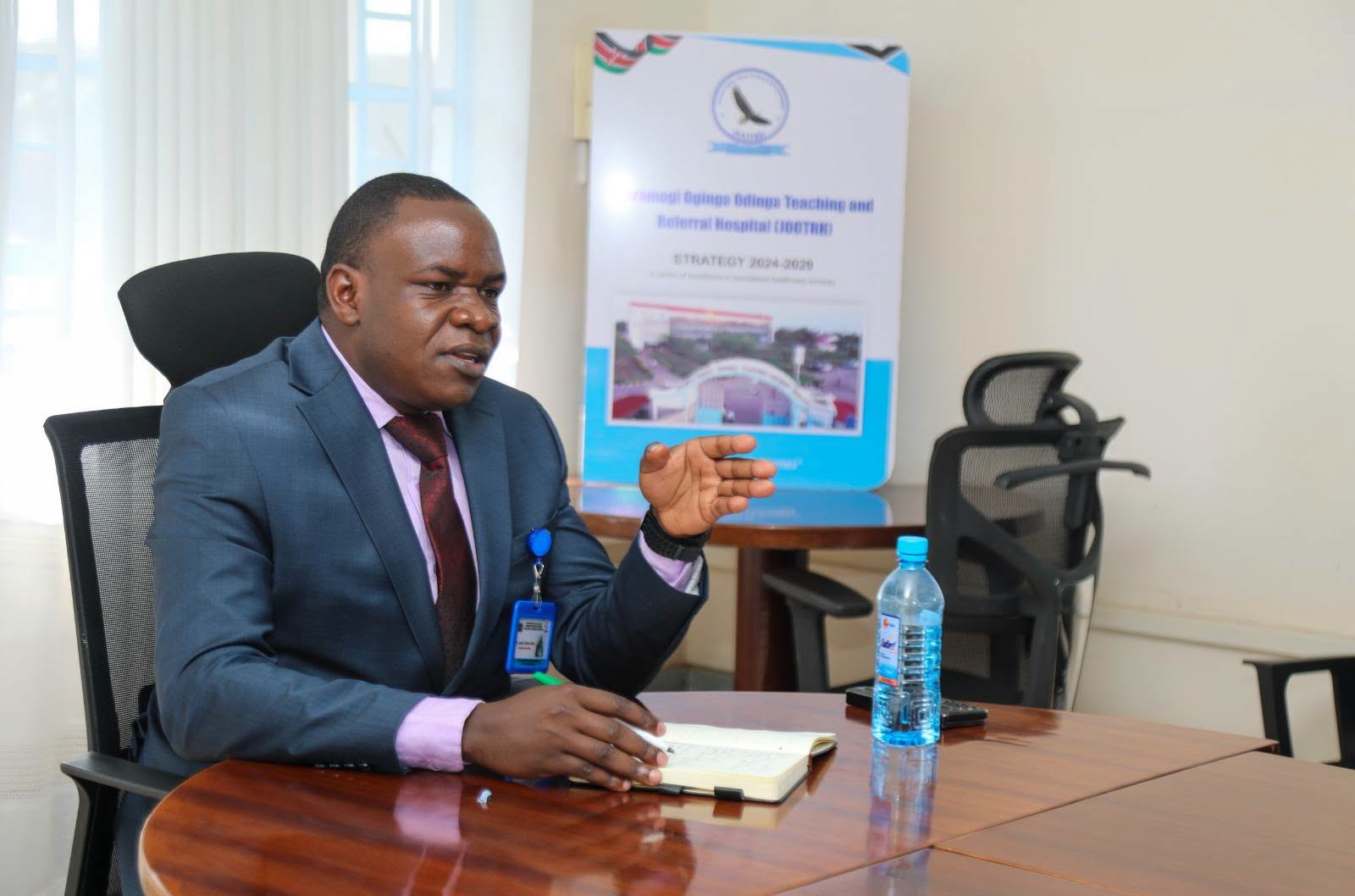
JOOTRH CEO Dr Joshua Clinton Okise welcomed continued collaboration with NASCOP and other partners, saying training, research, data-driven decision-making and strategic partnerships remain central to the hospital’s mandate as a teaching and referral institution.

Dr Okise also called for greater emphasis on HIV prevention alongside sustained access to condoms and accurate, reliable HIV information.

He called for strengthening referral networks to ensure patients can access appropriate care closer to their communities, while patients requiring specialised or complex treatment are referred to JOOTRH in a timely manner.

The hospital’s Comprehensive Care Clinic (CCC), one of the pioneer HIV clinics in the country, continues to play a significant role in HIV testing, treatment and care.

Since October 2021, the clinic has conducted 78,456 HIV tests and successfully linked 1,443 newly diagnosed individuals to care.

The clinic currently reports a 96 per cent viral suppression rate among clients actively receiving Antiretroviral Therapy (ART), reflecting strong outcomes in HIV treatment and management.

Currently, the CCC supports 6,799 people on ART, comprising 2,375 men, 4,424 women and 150 children aged 0–14 years.

Milestone for Jaramogi Oginga Odinga Teaching and Referral Hospital as it becomes the first hospital in Africa to record epilepsy device implants

0

By Sandra Blessings

Jaramogi Oginga Odinga Teaching and Referral Hospital (JOOTRH) is breaking the barriers in the medical world by achieving a milestone in Africa.

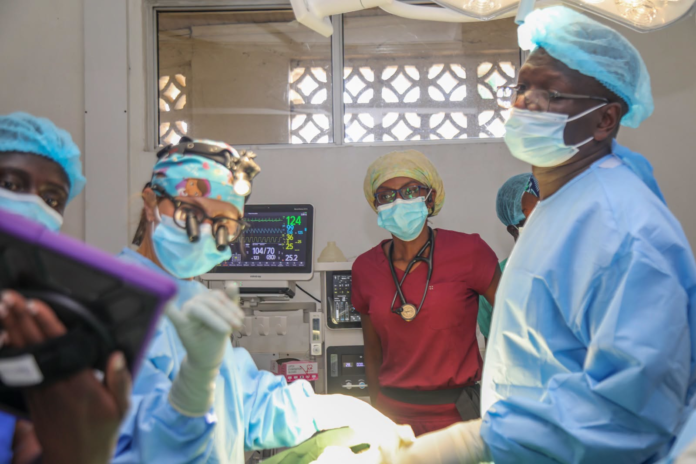
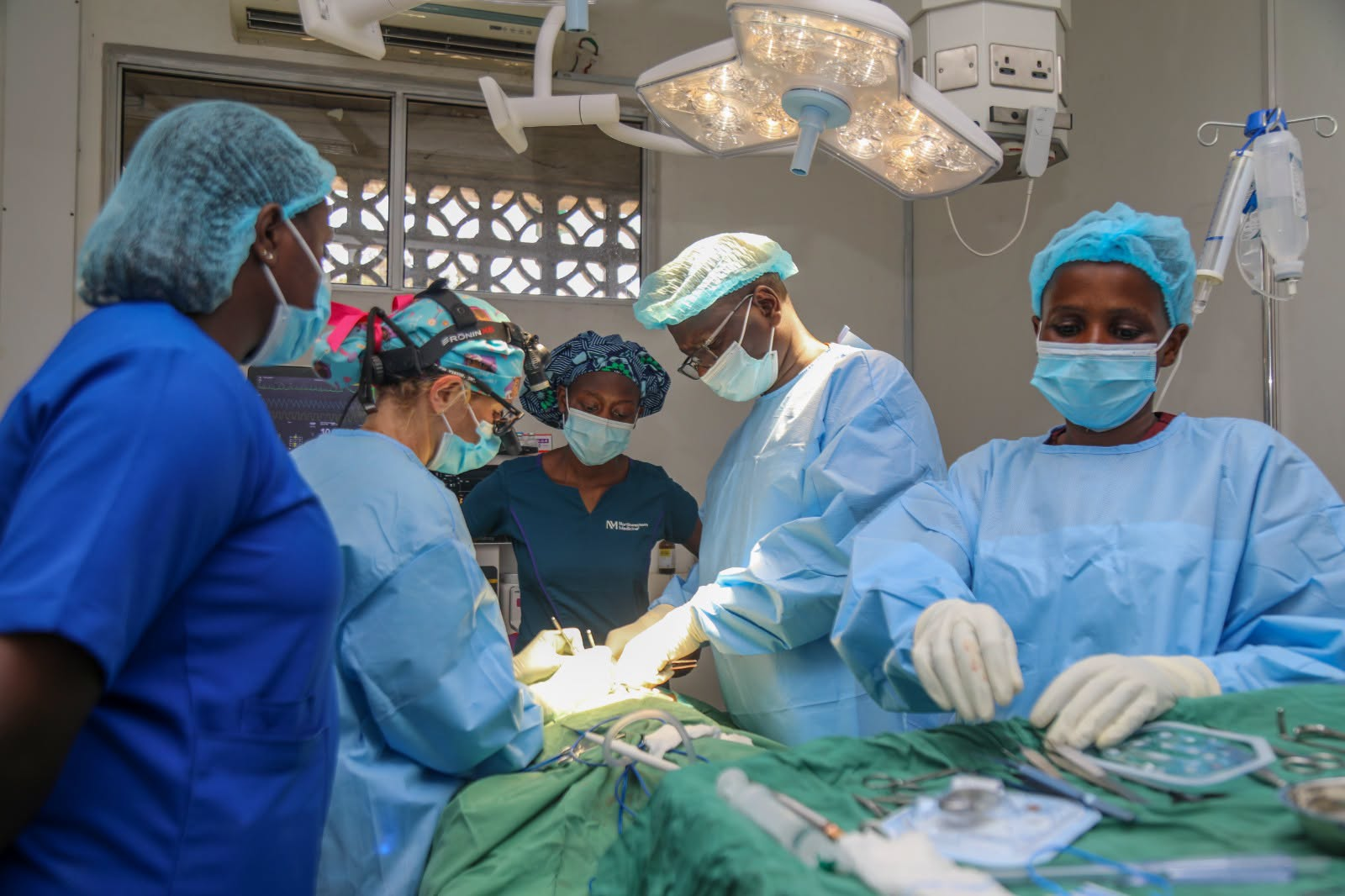
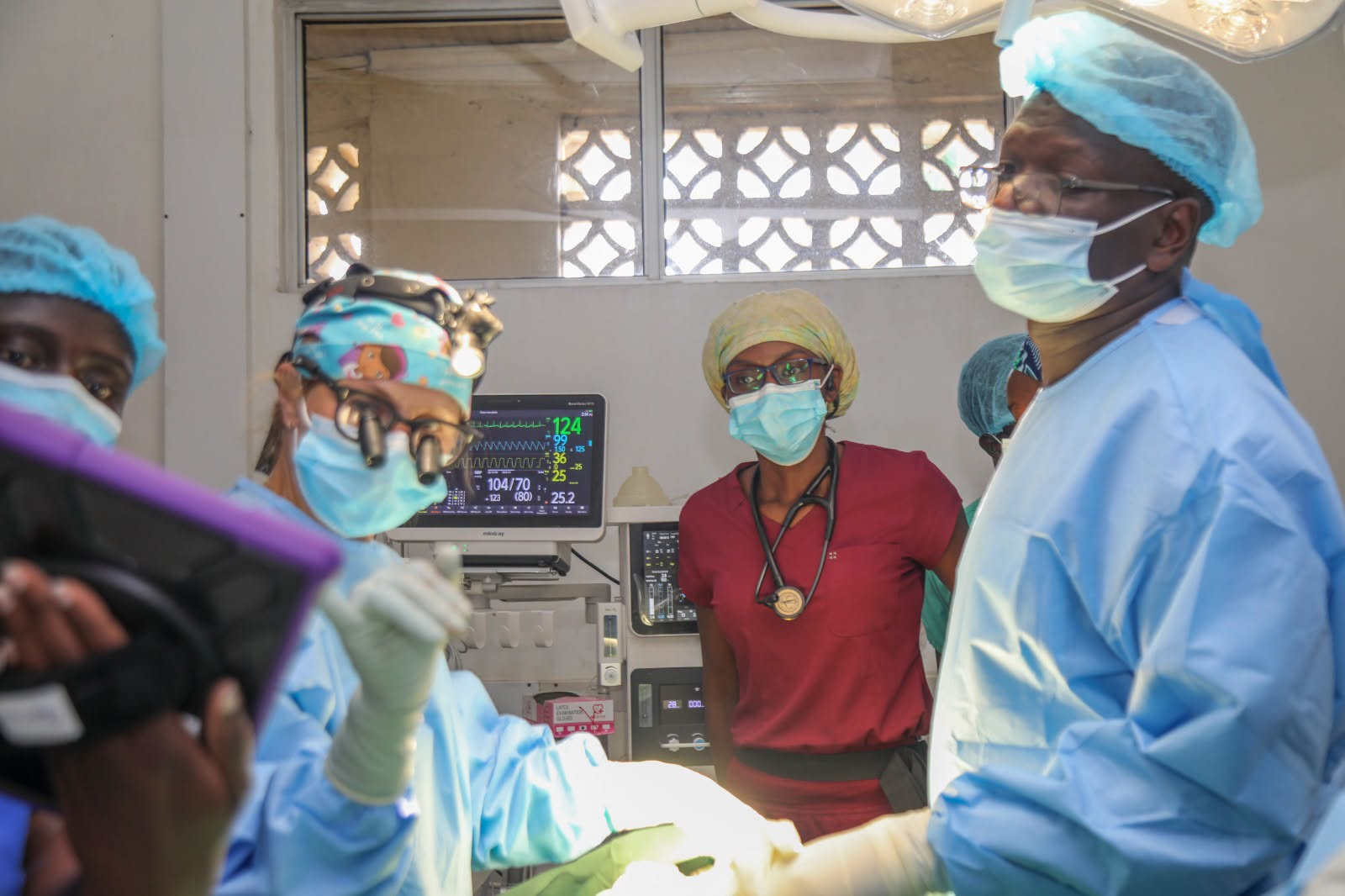
The hospital became the first health institution in Africa to record a major milestone in neurosurgery after specialists implanted Vagus Nerve Stimulators (VNS) in patients suffering from drug-resistant epilepsy during the ongoing neurosurgical camp at the facility.

JOOTRH’s milestone, supported by LivaNova, marks the first time the VNS devices have been implanted in East, Central and Western Africa.

The achievement positions JOOTRH at the forefront of advanced epilepsy treatment in the region.

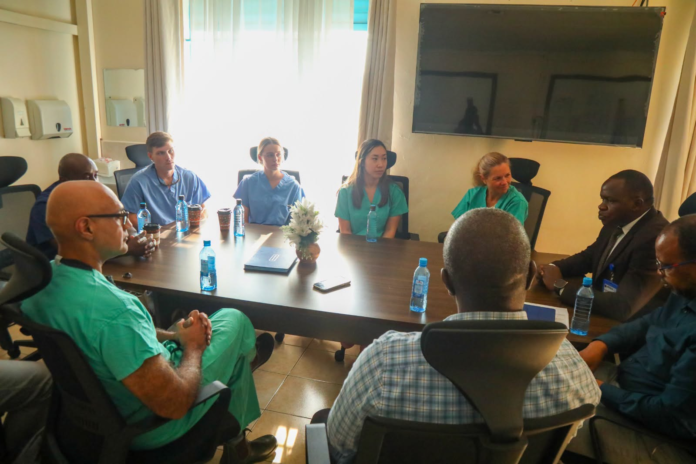
The devices were implanted by neurosurgeons Dr William Owiti and Dr Carrie Muh as part of the September neurosurgical camp, which is an initiative of the Kisumu Neuroscience Initiative and JOOTRH, expanding the range of highly specialised neurological procedures available at the Level Six referral hospital.

Vagus Nerve Stimulation is an established treatment option for patients living with drug-resistant epilepsy, particularly those whose seizures are not adequately controlled by anti-seizure medicines.

The small device was implanted under the skin, usually in the chest, and connected to the vagus nerve in the neck.

It delivers regular electrical stimulation to the nerve, helping regulate abnormal electrical activity associated with seizures.

For patients with drug-resistant epilepsy, the treatment can significantly improve seizure control. VNS has been shown to reduce the frequency and severity of seizures, in some patients by up to half, offering renewed hope to individuals whose condition has remained difficult to manage despite medication.

The introduction of the technology at JOOTRH represents another step in the hospital’s drive to expand access to specialised and complex medical services within the region, reducing the need for patients to travel outside the country in search of advanced neurological care.

The achievement also highlights the growing capacity of JOOTRH to undertake highly specialised neurosurgical procedures through partnerships, specialist expertise and targeted medical camps.

The September neurosurgical camp has therefore not only provided treatment to patients with complex brain and spine conditions but also created an avenue for the introduction of advanced technologies and skills that could transform the management of neurological diseases in the region.

The Chief Executive Officer (CEO), Dr Joshua Okise, said with the successful implantation of the VNS devices, JOOTRH has opened a new chapter in the management of drug-resistant epilepsy and strengthened its position as a referral centre for specialised neurological care in East, Central and Western Africa.

He said the local anaesthesia and surgical teams established dedicated pre-operative screening clinics a week before the camp to ensure that patients are fully assessed and prepared for surgery. The approach is expected to reduce delays and allow eligible patients to transition more efficiently from assessment to treatment.

The camp brings together a multidisciplinary team of neurosurgeons and other specialists from the United States and JOOTRH.

The neurosurgical team, led by Dr Bethwel Raore, was expected to operate on patients presenting with a range of neurological conditions, including brain tumours such as meningiomas, epilepsy, Chiari malformation, disc herniation, spondylosis, spinal stenosis, spinal fractures and syringomyelia, among other conditions affecting the brain and spine.

“For patients, the collaboration provides access to highly specialised care that may otherwise require them to travel outside the region. For local healthcare professionals, it provides an opportunity to gain hands-on experience and exposure to advanced neurosurgical techniques,” he said.

He said JOOTRH Neurosurgery Partnership has recorded 700 surgeries since the inception of the collaboration in 2017.

He said the partnership between Jaramogi Oginga Odinga Teaching and Referral Hospital (JOOTRH) and the Kisumu Neuroscience Initiative has reached a major milestone, with 700 brain and spine surgeries successfully performed.

“The partnership is now entering a new phase, with 41 patients lined up for specialised treatment during the ongoing neurosurgical camp, which runs until September 11, 2026,” he said.

He said the partnership was now focusing not only on providing patients with access to complex neurosurgical procedures but also seeking to establish a sustainable model for specialist training and capacity building in the region.

“The partnership has been strengthened by the involvement of the Foundation for International Education in Neurological Surgery (FIENS), which is working alongside JOOTRH and the Kisumu Neuroscience Initiative to move the programme beyond periodic surgical camps towards long-term development of local neurosurgical expertise,” he said.

International specialists, including experts from New York, together with representatives of medical technology company Medtronic, are working alongside JOOTRH clinicians during the camp.

The collaboration will also facilitate the introduction of advanced neurosurgical technologies and structured training opportunities for local medical professionals.

A key component of the strengthened partnership is the establishment of residency and fellowship training programmes in neurosurgery, with the aim of developing home-grown specialists capable of providing highly specialised brain and spine care within the region.

The programme will also promote knowledge and skills exchange, including bilateral opportunities for local surgeons and registrars to train internationally on emerging technologies and techniques and bring the acquired expertise back to Kenya.

The partners further plan to support the adoption of advanced medical technology, including the modernisation of JOOTRH’s Health Management Information System (HMIS) with AI-assisted clinical decision-support capabilities. Longer-term ambitions include exploring robotic-assisted surgery.

The partnership will also seek to upgrade surgical infrastructure, including improvements to operating theatres, equipment and surgical beds to create a modern environment capable of supporting increasingly complex neurosurgical procedures.

The latest camp has also adopted a more proactive approach to patient management following challenges experienced during previous surgical camps.

Fire in the mountain as Ndindi and Gachagua lock horns over the turf

0

By Anderson Ojwang’

It was just a matter of when and not if the two leading political leaders from Mt Kenya, former deputy president Rigathi Gachagua and former chairman of the National Assembly Budget Committee Ndindi Nyoro, would lock horns.

Gachagua had in the recent past engaged in a turf battle with Deputy President Kithure Kindiki, with the latter advocating the split of Mt Kenya between West and East.

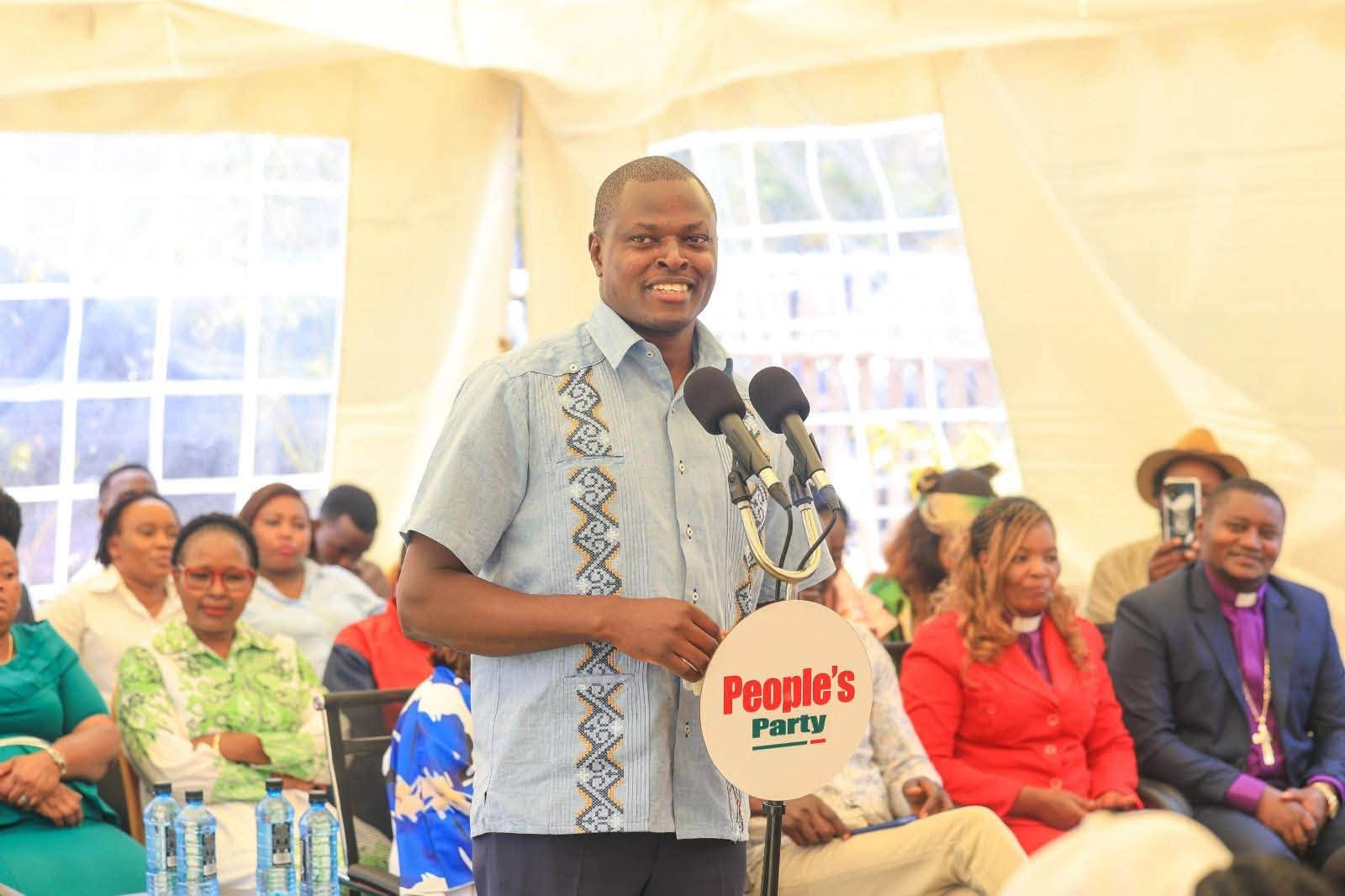
The signs were too glaring, punctuated by shadow boxing in the emerging bitter rivalry between the two regional leaders and political parties, namely Democracy for Citizens Party (DCP) and the People’s Party of Kenya (PPK).

And interestingly, Mt Kenya is witnessing the political rivalry that was witnessed in 1992 between former Kiharu MP and opposition doyen, the late Kenneth Matiba, and former Othaya MP, the late Mwai Kibaki.

The rivalry

Nyeri and Murang’a counties became the main protagonists in the 1992 first multi-party election. Matiba, together with the late Charles Rubia and the late Raila Odinga, had been detained for agitation for constitutional change and were later released from jail.

For Kibaki, he remained in the Moi government and described the opposition’s quest for multipartyism as one cutting a Mogumu tree with a razor blade.

And now the 1992 rivalry is replaying between Gachagua and Nyoro and is likely to once again divide Mt Kenya ahead of the 2027 General Election.

The 1992 repeat

Methu said President Ruto was scheming to return Mt Kenya to 1992, where Matiba and Kibaki formed two parallel parties and subsequently handed the victory to then President, the late Daniel Moi.

“Ruto having realised that Mt Kenya have formed their own party under one leadership, Rigathi Gachagua, he wants to take us back to 1992. Ruto has decided to cut down the Mt Kenya community to size and he thinks that he can take us to the direction of 1992.

These wheelbarrows that are coming up, all of them, and you saw one of them that was launched yesterday and we were waiting for it because we had been told of the wheelbarrow coming from Murang’a,” he said.

Ndindi rebuttal

Gachagua, while speaking in the USA, said in Mt Kenya West, President Ruto had introduced a green wheelbarrow to divide the Mountain.

Previously, DCP designate Secretary-General John Methu had described Ndindi’s party as a green wheelbarrow sponsored by President Ruto.

Naivasha MP Jane Kihara said Ndindi was a Ruto project aimed at dividing the Mt Kenya votes.

“Currently, he is speaking the opposition language but later he will declare his presidential bid. Ruto has known he cannot get votes in Luhya and Luo land and has now returned to haunt for Mt Kenya votes,” she said.

But Nyoro said he had been supportive and respectful to Gachagua but would not lie low to be intimidated in the new power matrix.

“I want to say I am also capable of being party leader. For the longest time in your politics, Ndindi Nyoro has been supporting you in everything you have done,” he said.

Ndindi said during the 2022 UDA deputy president nomination for the running mate, of which he was a contestant, he supported Gachagua.

“During the elections for the running mate, we were four contestants and I was among them. I signed and you got the slot,” he said.

He said despite their fallout, during Gachagua’s impeachment, he did not vote because it was an unjust move.

“During the impeachment, I never participated and that time we were not in good terms. You know why.

At impeachment, I did not participate because I knew it was injustice.

You people have seen I have remained respectful but every day you wake up I become your topic,” he said.

He challenged Gachagua that if he wanted to go back to work with President William Ruto, he was free to do so.

“Those who want to go back to Ruto. Kindly go back. If you want his money, go get it and leave me alone.

If you want to work with him, join him and leave me alone, I have no time to waste over infighting in the opposition,” he said.

He said nobody would guide him in the opposition on how to conduct his campaigns and that he would not beg anyone.

“I am not in the opposition to be guided on how I will conduct my campaigns. I will work with those who are ready and those who are not interested can stay away, I will not beg,” he said.

Not a project

Ndindi has denied the allegations, saying he severed links with President Ruto and his UDA party a long time ago.

Nyoro told a local TV station on Wednesday, September 2, 2026, that he would defend his party against any direct political attacks, but maintained that he had not heard any opposition leader accuse the People’s Party of Kenya of undermining the opposition.

“I have not heard any leader directly accuse our party. If they do, I will come out and defend it,” Nyoro said.

He said leaders should avoid creating conflicts between political allies where none existed.

“Even the leadership of all opposition parties, including DCP, have sent me congratulatory messages. It is important that we do not try to make brothers fight where there is no fight,” he said.

“People’s Party is having a lot of acceptance and goodwill across the country. We are receiving aspirants every day here. This means as more join, they are adding to opposition numbers,” Nyoro said.

Land is burning

The mountain is burning, and who will bring the water? It will soon get murkier in the mountain, with heavy casualties.

Mixed reaction over Homa Bay goons expose as Wanga hits back at Standard Media Group

0

By Valentine Omondi

The last weekend expose by KTN and the Standard newspaper on the violence that rocked the recent Linda Mwananchi rally received a mixed reaction.

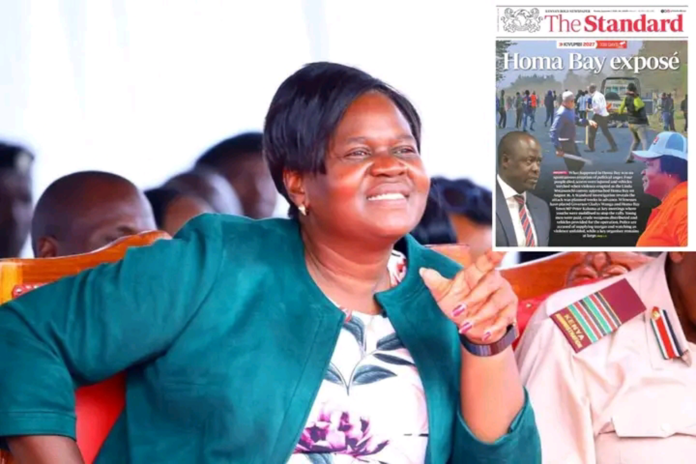
While Homa Bay Governor Gladys Wanga hit back at KTN and The Standard over an investigation into the violence that rocked Homa Bay during the August 16 Linda Mwananchi rally, accusing the media outlets of airing and publishing fabricated, unverified and prejudicial allegations against her.

But Linda Mwananchi luminary and Siaya Governor James Orengo said the truth was finally out in the open and demanded the government to act on the plotters of the violence.

Wanga formally wrote to the Media Council of Kenya (MCK) to complain and challenge the expose by KTN broadcast aired on Sunday, September 6, and a Standard newspaper report published on Monday, September 7, over their coverage of the chaos that erupted when opposition leaders led by Nairobi Senator Edwin Sifuna visited Homa Bay.

In her complaint, the governor said her objection was not to legitimate media scrutiny but to what she described as a failure by the media outlets to verify serious allegations and give her administration adequate opportunity to respond.

She has asked the Media Council to review the reports against the Code of Conduct for the Practice of Journalism and direct KTN and The Standard to issue what she termed an immediate and prominent retraction and unconditional apology.

Orengo: “Finally, the truth has come out”

Orengo welcomed the revelations contained in the KTN expose, saying his name had repeatedly been dragged into the controversy before the latest revelations emerged.

“They used to call my name every now and then, finally the truth has come out,” Orengo said.

Orengo also pointed to his long history in Kenya’s political struggles, saying he had personally paid a price for his involvement in the country’s political affairs.

“I’ve fought for this nation for a longer time now and I’ve scars on my body for that,” he said.

His remarks add another layer to the growing political dispute, with Orengo appearing to suggest that the investigation had helped answer questions that had previously been directed at him.

KTN investigation revisits August 16 chaos

Wanga’s response comes a day after KTN aired an investigative report titled “Homa Bay Bloody Hands: The Untold Story Behind the August 16 Violence.”

The investigation revisited the events surrounding the violence, examining how groups of youths were allegedly mobilised before the Linda Mwananchi rally and the events that followed as the political gathering descended into chaos.

The violence left people dead and dozens injured, while vehicles and property were damaged. Earlier reporting on the incident also documented attacks that extended beyond the rally, including damage to a church and a hospital.

The investigation examined alleged networks involved in mobilising the youths and mentioned several political figures, including Governor Wanga and Homa Bay Town MP Peter Kaluma.

The KTN investigation also featured Homa Bay Town MP Peter Kaluma in a hidden-camera recording, where he made allegations against a senior police officer over the events surrounding the August 16 chaos. Kaluma was also questioned about Abdi Guyo, with his account appearing to differ from other details presented in the investigation, raising further questions about what he knew about the individuals allegedly linked to the violence.

The revelations add another layer to the controversy surrounding the Homa Bay clashes, with the identities of those involved, their alleged links to political actors and the role of security officials remaining subjects of scrutiny.

The allegations remain allegations, and neither Wanga nor Kaluma has been convicted of organising the violence.

Wanga disputes report as Kaluma enters the political fallout

Wanga has particularly challenged the portrayal of her administration in the reports, arguing that the coverage created a false impression of her role in the violence.

She also questioned the use by The Standard of a photograph showing a man wielding a machete, claiming that the individual was a Siaya County employee and arguing that his presence raised questions about the involvement of people from outside Homa Bay.

Meanwhile, Kaluma has also featured in the political fallout surrounding the August 16 violence, with accusations and counter-accusations emerging over who was responsible for the mobilisation of youths and the ensuing chaos.

The confrontation has reopened questions about political violence in Homa Bay ahead of the 2027 General Election, with the August 16 incident already having triggered demands for investigations and accountability.

Wanga’s complaint now puts the spotlight on the Media Council, which will be expected to consider whether the KTN and Standard reports met the required standards of accuracy, fairness, verification and the right of reply.

Kenya’s Health Sector Faces Fresh Crisis as Doctors Issue Seven-Day Ultimatum

0

By Valentine Omondi

Kenya’s health sector is facing a fresh crisis after doctors issued a seven-day ultimatum to the government to resolve the ongoing nurses’ strike or risk a doctors’ walkout.

The Kenya Medical Practitioners, Pharmacists and Dentists Union (KMPDU) Secretary-General, Dr Davji Atellah, issued the ultimatum on Monday, September 7, 2026, during a press briefing in Nairobi, warning that doctors could join the industrial action if the nurses’ dispute remains unresolved.

Atellah said the more than 40-day nurses’ strike has placed immense pressure on doctors and disrupted the delivery of essential healthcare services in public hospitals.

He argued that doctors cannot continue shouldering duties normally performed by nurses, particularly in critical areas where continuous nursing care is required.

Nurses’ strike enters sixth week

The nurses’ strike, which began on July 29, has affected public health facilities across the country, with nurses demanding the implementation of their Collective Bargaining Agreement and resolution of other longstanding employment grievances.

The Kenya National Union of Nurses and Midwives has maintained that the strike will continue until its demands are addressed.

The prolonged dispute has disrupted services in hospitals and raised concerns over the impact on patients, particularly those requiring emergency, maternity and specialised care.

The Kenya National Commission on Human Rights has also raised concern over the disruption of healthcare services, calling for an urgent resolution of the dispute.

Pressure mounts as nurses plan demonstrations

The doctors’ ultimatum comes as nurses and midwives prepare to stage demonstrations in Nairobi on Tuesday, September 8, piling further pressure on the government and county authorities.

Thousands of health workers are expected to participate in the demonstrations as they push for the resolution of their grievances.

The emerging confrontation between health workers and the authorities now threatens to widen the disruption in public hospitals.

With doctors giving the government seven days to act, attention will now turn to whether the two sides can reach an agreement before the ultimatum expires and Kenya faces the possibility of a broader health workers’ strike.

JOOTRH Neurosurgery Partnership hits 700 Surgeries as Focus Shifts to Local Training

0

By Sandra Blessings

Seven hundred brain and spine surgeries have been successfully performed since 2017, in a partnership between Jaramogi Oginga Odinga Teaching and Referral Hospital (JOOTRH) and the Kisumu Neuroscience Initiative.

The partnership has reached a major milestone and is now entering a new phase, with 41 patients lined up for specialised treatment during the ongoing neurosurgical camp, which runs until September 11, 2026.

Apart from providing patients with access to complex neurosurgical procedures, the latest initiative seeks to establish a sustainable model for specialist training and capacity building in the region.

The partnership has been strengthened by the involvement of the Foundation for International Education in Neurological Surgery (FIENS), which is working alongside JOOTRH and the Kisumu Neuroscience Initiative to move the programme beyond periodic surgical camps towards long-term development of local neurosurgical expertise.

International specialists, including experts from New York, together with representatives of medical technology company Medtronic, are working alongside JOOTRH clinicians during the camp.

The collaboration will also facilitate the introduction of advanced neurosurgical technologies and structured training opportunities for local medical professionals.

A key component of the strengthened partnership was the establishment of residency and fellowship training programmes in neurosurgery, with the aim of developing home-grown specialists capable of providing highly specialised brain and spine care within the region.

The programme will also promote knowledge and skills exchange, including bilateral opportunities for local surgeons and registrars to train internationally on emerging technologies and techniques and bring the acquired expertise back to Kenya.

The partners further plan to support the adoption of advanced medical technology, including the modernisation of JOOTRH’s Health Management Information System (HMIS) with AI-assisted clinical decision-support capabilities. Longer-term ambitions include exploring robotic-assisted surgery.

The partnership will also seek to upgrade surgical infrastructure, including improvements to operating theatres, equipment and surgical beds to create a modern environment capable of supporting increasingly complex neurosurgical procedures.

The latest camp has also adopted a more proactive approach to patient management following challenges experienced during previous surgical camps.

Local anaesthesia and surgical teams established dedicated pre-operative screening clinics a week before the camp to ensure that patients are fully assessed and prepared for surgery. The approach is expected to reduce delays and allow eligible patients to transition more efficiently from assessment to treatment.

The development of the partnership follows a courtesy call by the team to JOOTRH Chief Executive Officer, Dr Joshua Clinton Okise, with the hospital and its partners expected to sign formal Memoranda of Collaboration to strengthen the relationship and secure long-term training opportunities for local healthcare professionals.

The neurosurgical team, led by Dr Bethwel Raore, was expected to operate on patients presenting with a range of neurological conditions, including brain tumours such as meningiomas, epilepsy, Chiari malformation, disc herniation, spondylosis, spinal stenosis, spinal fractures and syringomyelia, among other conditions affecting the brain and spine.

The camp brings together a multidisciplinary team of neurosurgeons and other specialists from the United States and JOOTRH.

For patients, the collaboration provides access to highly specialised care that may otherwise require them to travel outside the region. For local healthcare professionals, it provides an opportunity to gain hands-on experience and exposure to advanced neurosurgical techniques.

The partners said the next chapter of the collaboration will be defined not only by the number of patients treated, but also by the number of specialists trained and the capacity created to ensure that advanced neurosurgical services remain available locally.