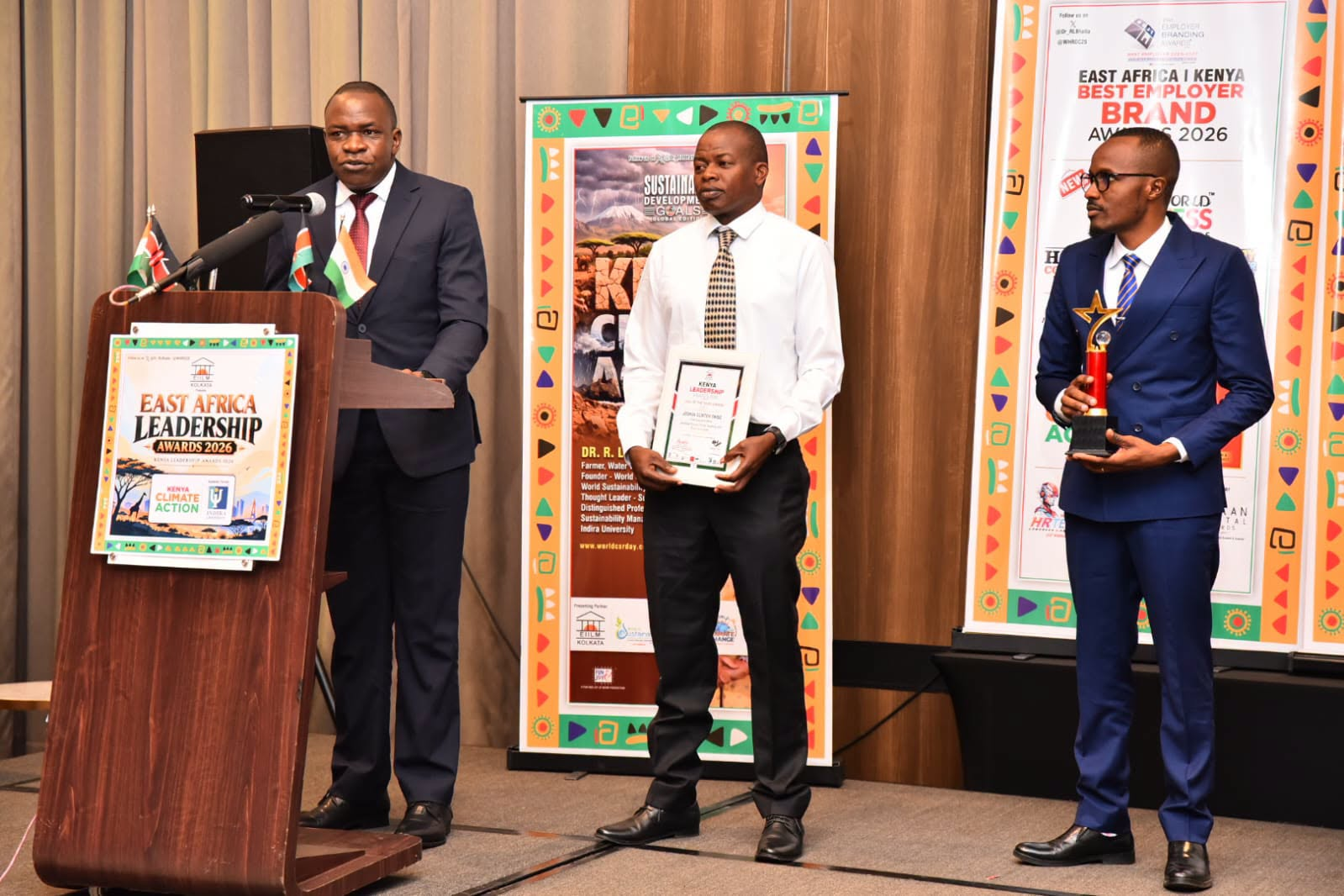
It was just a matter of when and not if, how, why and what the acting Chief Executive Officer of Jaramogi Oginga Odinga Teaching and Referral Hospital (JOOTRH), Dr Joshua Clinton Okise, would be feted for his transformational leadership and turnaround of the institution.
Dr Okise, the first acting CEO of the new parastatal, has rewritten history by becoming the CEO of the year in his first time at the helm.
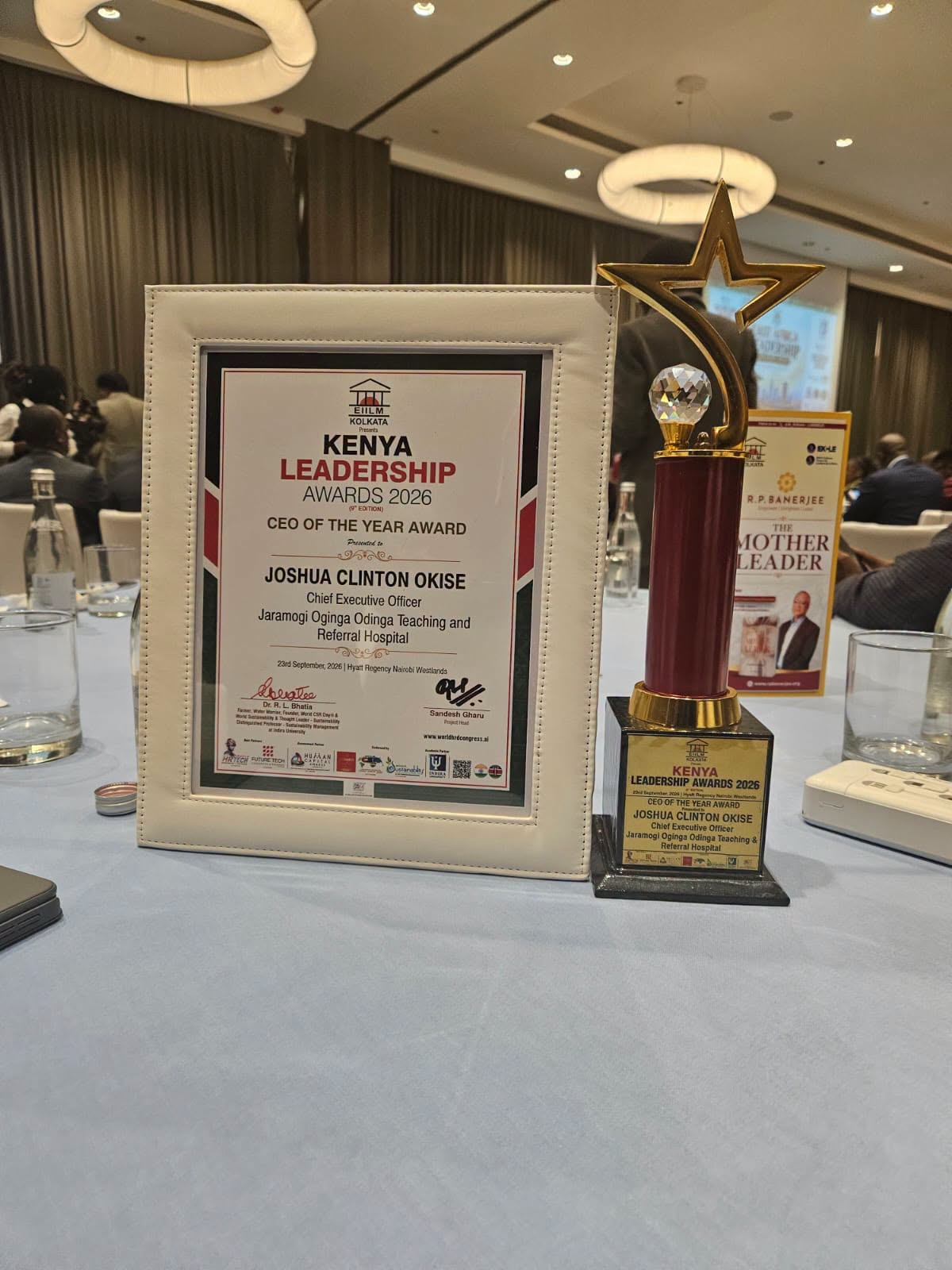
Dr Okise was named CEO of the Year at the Kenya Leadership Awards 2026, in recognition of his leadership, strategic direction, innovation and contribution to institutional transformation.
The CEO received the award on 23 September 2026 at Hyatt Regency Nairobi Westlands, during a ceremony attended by industry leaders, academicians and senior professionals.
According to the organisers, his selection followed an independent evaluation based on strategic leadership, business growth, operational excellence, innovation, governance and societal impact.
The recognition comes about 395 days into his tenure at JOOTRH, during which the hospital has undergone significant financial, clinical, technological and infrastructural transformation.
Achievements
One of the most notable achievements has been the hospital’s financial turnaround.
Drawing on his academic background in finance and research on financial information systems and revenue collection, Dr Okise has championed stronger billing systems, revenue optimisation and measures to address financial leakages. JOOTRH’s revenue rose from approximately KSh290 million to KSh1.5 billion in FY2024/25.
Dr Okise, working together with the Board of Management, has seen the hospital record major clinical milestones, including open-heart surgery, minimally invasive VATS procedures, expanded neurosurgery and cardiothoracic services, automated Red Blood Cell Exchange, and expanded apheresis services.
The hospital has also strengthened cancer care, maternal and newborn services, digital systems, research and specialist training. Infrastructure development has included theatre renovations, Emergency Department expansion, cancer centre development and new NICU and PICU facilities.
JOOTRH has further expanded community outreach through JOOTRH Mashinani, providing specialised and preventive services closer to communities.
While receiving the award, he thanked the Board of Management as well as the staff for their collaboration.
For the JOOTRH fraternity, the award recognises a period of institutional transformation as the hospital continues its transition into a Level 6A National Teaching and Referral Hospital, strengthening its role in specialised healthcare, training and research.
Once a teacher, always a teacher. That is how the Nyeri Governor Mutahi Kahiga has failed to shed off his trait of prefecting not only his staff but also his deputy.
So, on one of those fine nights in Nyeri town, while on his usual prefecting duties and prowling, Governor Mutahi spotted his deputy’s vehicle dropping and picking women along the highway.
“You know sometimes, I want to see what is happening in town and I am driving around here at around 11.00pm going to midnight. I see my 19CG. I decide to follow this vehicle to see where it could be going at night,” he said.
For Governor Mutahi, he thought his deputy was on the campaign trail as the country heads to the 2027 General Elections.
**“I saw the Deputy Governor’s official car. It was being driven around and making stops to drop and pick female passengers.
Beautiful ladies would disembark from the vehicle and were being taken to other places,” he said.
Governor Mutahi decided to make a telephone call to his deputy to know whether he was in the car, but to his surprise, he was not in the car.
“I called the DG and asked him, bwana DG, are you the one dropping the beautiful queens? And he answered that it was not him and he did not know anything about it,” he said.
Governor Mutahi said the driver would pick and later drop beauties at their respective homes.
“I drove behind him without allowing the driver to know I was following the vehicle.
He would drop them at different spots. I thought there was adequate fuel being used by the DG to campaign, but sadly it was all about women enterprise,” he said.
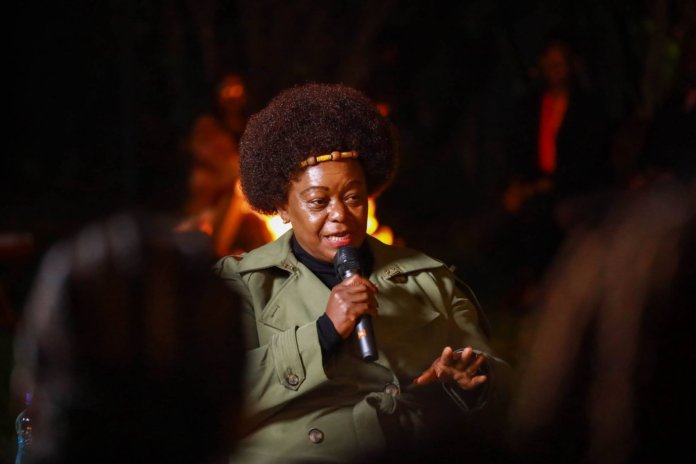
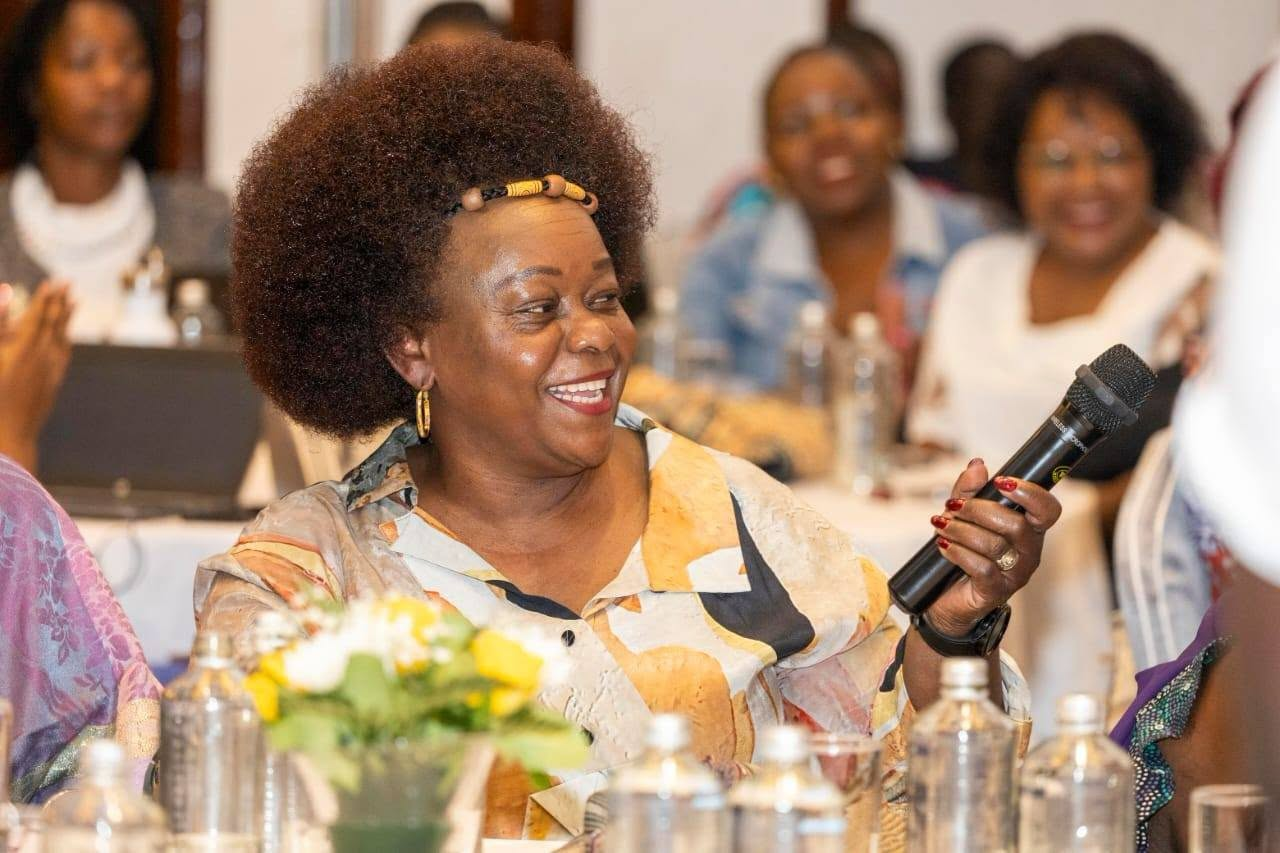
In one of the blood-chilling narrations of how Suba South MP Millie Odhiambo and her six entourage escaped an alleged attempted assassination in Lake Victoria, residents were moved to tears and consternation.
The chilling narration of how the events unfolded and the six hours, dreary and scary, deep in Lake Victoria left the seven crew in harrowing shock while mentioning their last prayer before a possible last call by death.
Millie said she and her six members of her entourage survived a possible alleged attempted assassination deep inside Lake Victoria.
Millie said the speedboat she and her entourage were using to return home after a funds drive on one of the islands in Lake Victoria had its engine explode into flames deep inside the lake.
At the funds drive, Millie had a bitter confrontation with a local political leader from Homa Bay County and chased away the youths who had been brought to boo her at the function.
“After the funds drive, we left to return to my home in Mbita but deep inside the lake, far away from dry land from both ends, we just heard an explosion inside the boat. We were seven people aboard,” she said.
Salt as an explosive
Millie said she was later told that the explosion could have been as a result of someone having added salt inside the engine before they took off.
“I was told someone could have added salt into the engine. Salt is known to trigger explosion in the engine. Those who know about it say once the salt is added, after 30 minutes of sailing, the engine will explode.
My people, what I saw and why one of us, Pauline, continued to cry, I knew I was dead,” she said.
Millie said the situation could have been worse because inside the boat they had carried 40 litres of petrol.
“We knew that if the fire had moved to the petrol and we would be dead within five minutes. It was a horrifying experience,” she said.
Millie said she contemplated diving into the lake until she was pulled back by one of her team members.
“I went and stood by one side of the boat at the corner to jump inside the lake, but this lady wearing white, Joan, came and told me she found me praying. She found me almost jumping inside the lake but pulled me back.
She told me, Mweshimiwa, kindly walk away from there, come this side,” she explained.
Millie said to cheat death, they looked for a mechanism to stop the fire and eventually succeeded.
“One of us said that we should pour water on the fire but I stopped them. We checked if there was anyone of us with a blanket or heavy jacket but none. The coxswain had a towel. For the first time he tried, the flame became bigger but when he covered the engine with the towel, the flame gradually died out,” she explained.
Rescue
Millie said she made a telephone call for a rescue team but that was not possible because they could not give definite directions.
“We did not know what happened. I made a telephone call to Ochieng Kenya, I hope you know him. Told him of our tribulation. He asked whether they could send another rescue boat.
He asked me where we were but I told him, in the lake there is no stage,” she said.
Millie said the team prayed and embarked on a slow-paced sail to the nearest dry land along the lake.
“We prayed and I told them, let us just sail. The first place we will see dry land, that is where we will dock. It took us between 2–3 hours sailing slowly and by God’s miracle the first place we arrived was where I am building my new home.
The first dry land, Ukowe, is my home, where I am currently building. From there, we knew the way back home and arrived back at our destination at 11.00pm,” she said.
Don’t kill for power
Millie told fellow politicians that it was needless to kill a colleague over political differences.
“To my political opponent, politics is not a matter of life and death that you want to kill someone’s child.
I appeal to my political opponents, allow me to become the first woman president in 2032,” she said.
Alcohol and other substances in the county have recently been on the rise among the youth in Kenya.
According to the National Authority for the Campaign Against Alcohol and Drug Abuse (NACADA) national survey, alcohol is the most abused substance among the youth in the country.
One in every 20 youths aged 15 to 24 (totalling about 367,608 individuals) actively consumes alcohol.
Among higher education groups, up to 87.3 per cent of university students report alcohol availability around them, and roughly 20 per cent report active monthly use.
Youths abuse alcohol and other substances due to a mix of peer pressure, stress, curiosity, joblessness, and easy access.
Many young people use drugs or alcohol to fit in with friends, cope with emotional pain, or escape from family and school problems.
According to the Homa Bay County NACADA Director, Monicah Akumu, a survey conducted in 2024 in the county revealed that alcohol was the leading substance of abuse among youths, especially among university students.
She said the survey showed that at least one in six students was found to be using a substance, with alcohol being the most common, followed by tobacco and finally bhang.
She attributed this to the availability of illicit brews and lower prices, particularly in slums like Shauri Yako in Homa Bay Town.
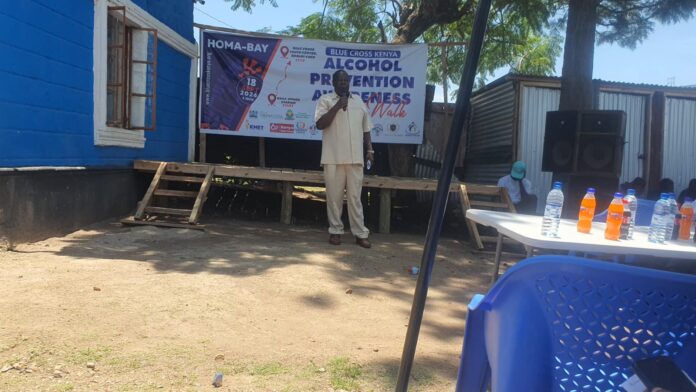
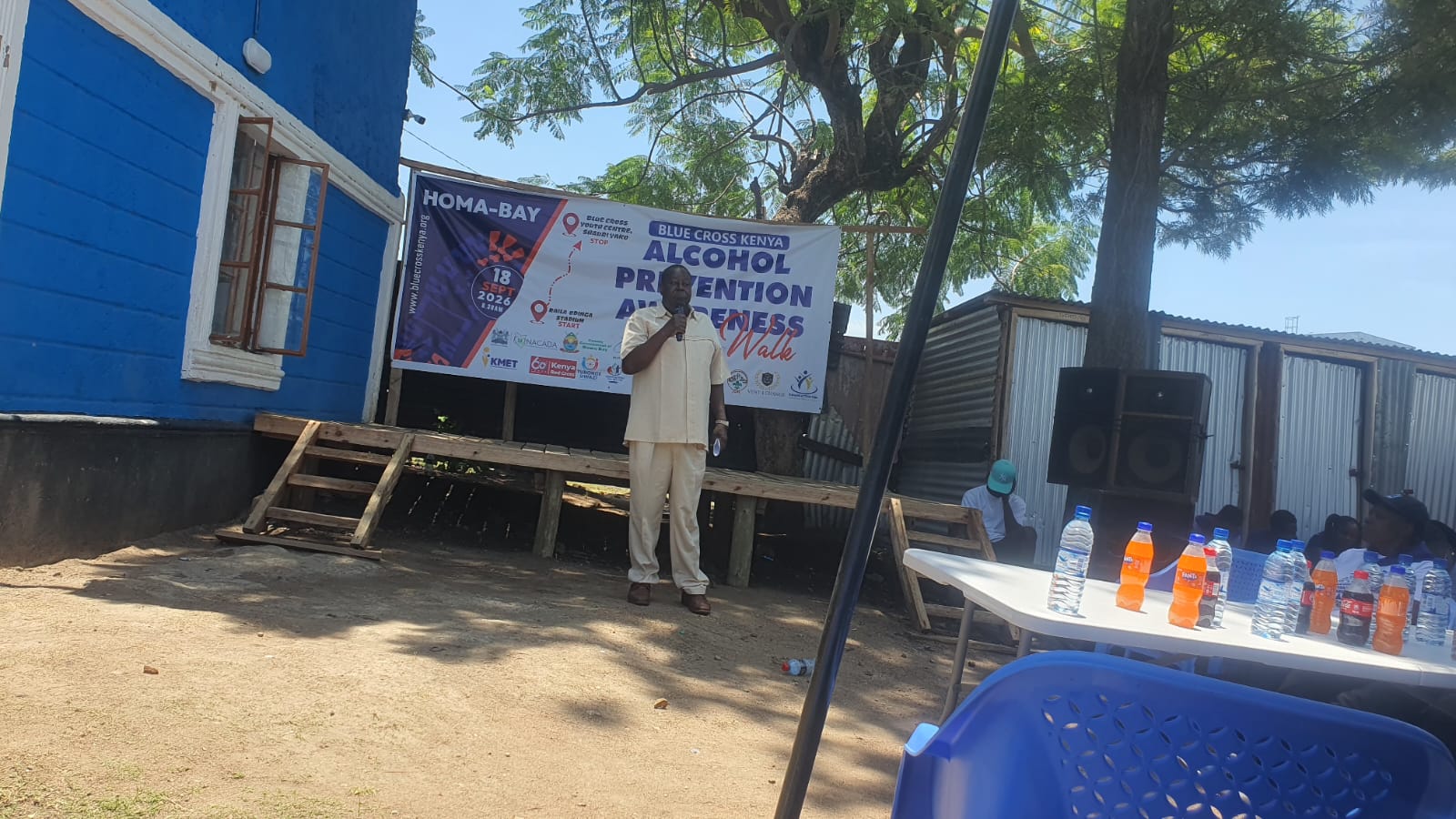
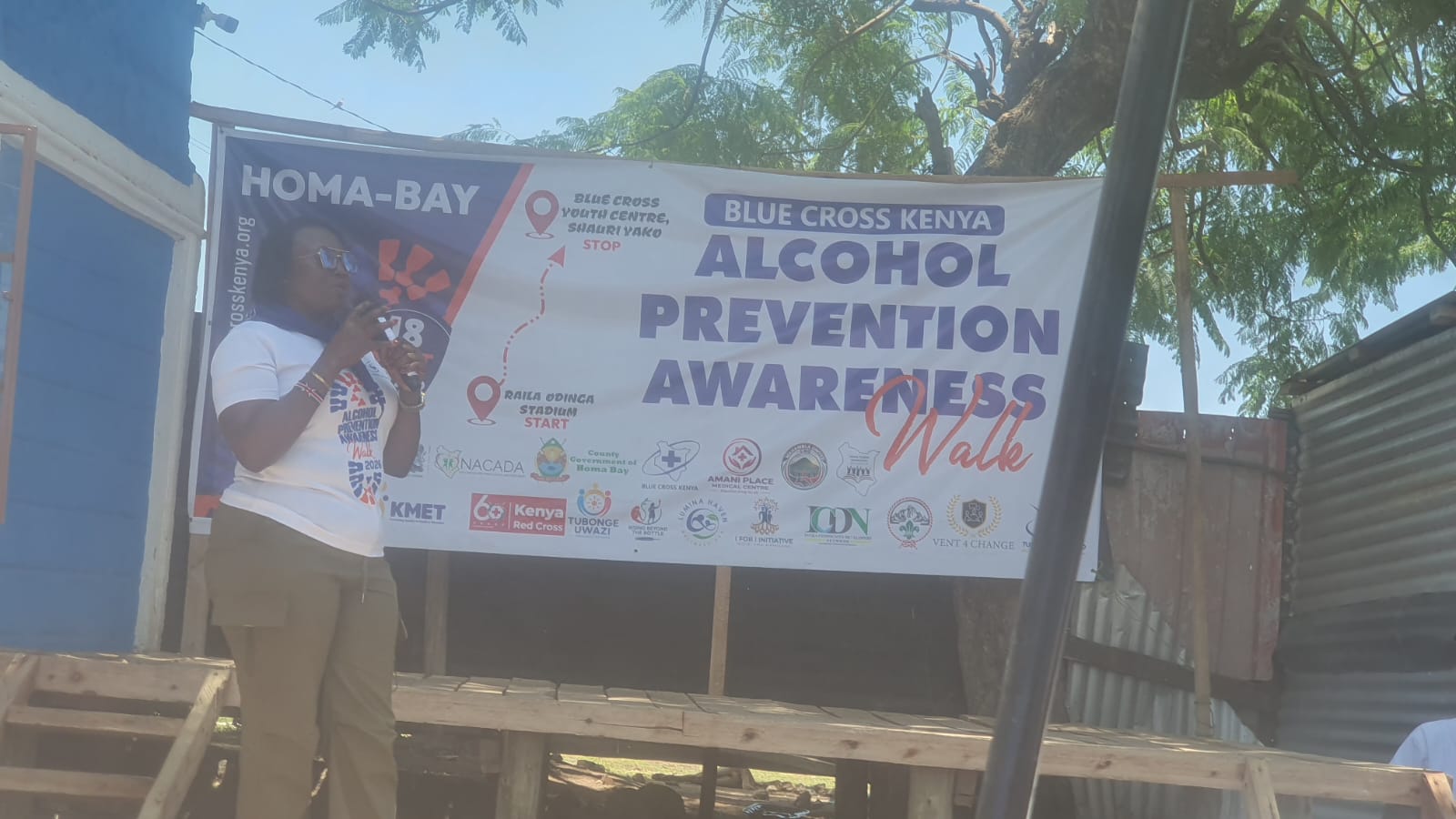
However, Blue Cross, a non-governmental organisation (NGO) focused on prevention, treatment, and aftercare interventions regarding alcohol and substance abuse, has now launched a programme to curb this menace.
Speaking during a walk aimed at raising awareness about alcohol and drug abuse, the organisation’s director, Ismael Shem, described the rising cases of alcohol abuse and illicit brew in Homa Bay as a menace.
“The prevention walk was meant to create awareness among the community of Homa Bay and surrounding areas on how alcohol and other drug abuse are harmful to the community,” he said.
“We have partnered with other stakeholders to sensitise the community on the dangers of alcohol harm since it is no longer an individual fight but one that affects the whole community,” he added.
According to the director, the organisation is working closely with entities like NACADA Kenya and regional county governments, including active outreach and stakeholder engagements across Kisumu, Homa Bay, Kakamega, and Kiambu counties.
“Our core focus areas include youth and school programmes where we mobilise peer education, school clubs, and youth groups using art, sports, and life skills to promote drug-free choices,” he explained.
“We also conduct community mobilisations through public awareness walks, town halls, stakeholder dialogues with religious and community leaders, and policy advocacy by collaborating on national and regional strategies addressing alcohol control policies, harm reduction, and the health impacts of substance use,” he added.
Shem revealed that Shauri Yako estate is one of the areas they have targeted since it is one of the slums heavily impacted by alcohol-related harms.
He revealed that the organisation has also been engaged in rehabilitating hundreds of addicts for the past 30 years since its existence in the country. He said they have been working closely with children, schools, communities, youths, and families affected by this menace, emphasising that their main vision is a sober community.
“We are starting with small communities, and we truly believe and are committed to assuring them that hope and solutions always exist within themselves and their strength to build a sober community,” he said.
“Alcohol is not an ordinary commodity. I know most communities and even many adults I have met have accepted and admitted that it is a business of its own kind,” he said.
He pointed out that selling alcohol to communities, especially to young children or youths, has led people to believe that growing up in such environments is the best community they can have.
“In every family, whether affected directly or indirectly, there is usually one alcoholic, and this impacts both adults and the young,” he added.
According to the National Institutes of Health (NIH), children as young as six can be exposed to alcohol, often through family settings, accidental ingestion, or cultural practices, which pose serious health and developmental risks.
“I do not know any responsible adult who would sell or give alcohol to a six-year-old to intoxicate or make them happy,” he stated.
Goonism and alcohol abuse in Homa Bay
Homa Bay Town Deputy County Commissioner Felix Sigei linked the rising culture of goonism in Homa Bay to alcohol and substance abuse in the county.
The county has often been in the limelight due to the increasing number of youths involved in attacks, killings, and property destruction during political events.
He warned politicians against involving youths in such activities and urged them to engage youths in productive ways.
He also announced that the government has launched a crackdown on the sale of illicit brews and counterfeit alcohol in the county.
The DCC affirmed that they will ensure that bars and liquor outlets operating beyond permitted hours are closed, and their owners brought before the courts.
He called on youths to benefit from various empowerment programmes initiated by President William Ruto’s government rather than being manipulated by politicians.
“I want to urge our youths to stop engaging in drugs and alcohol abuse. As much as unemployment and poverty may tempt you to seek escape through leisure and crime, it should not be the case,” he said.
“The government has introduced several youth empowerment programmes, such as Nyota and Uwezo Fund, among others, which they should leverage to start their businesses instead of engaging in alcohol and substance abuse,” he added.
He also linked the rise of goonism in Homa Bay to alcohol and substance abuse and urged political leaders to stop involving youths in violence, noting it paints a bad picture.
The DCC encouraged development partners and stakeholders to review their achievements to evaluate their impact.
“We should know what progress we have made so far; these campaigns have been ongoing for some time, and if progress is minimal, we should consider new strategies such as research to understand why there is little impact despite ongoing efforts,” he concluded.
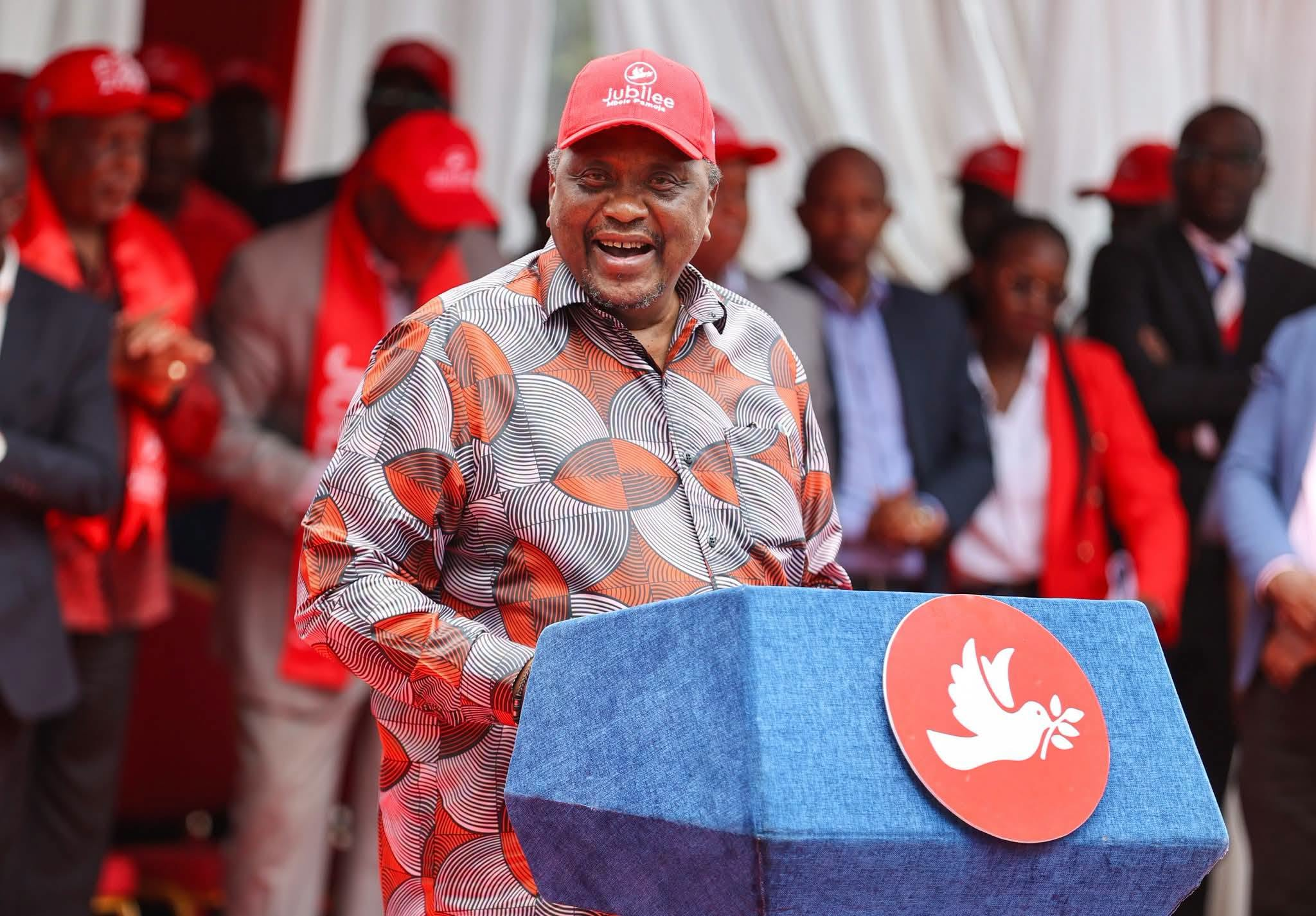
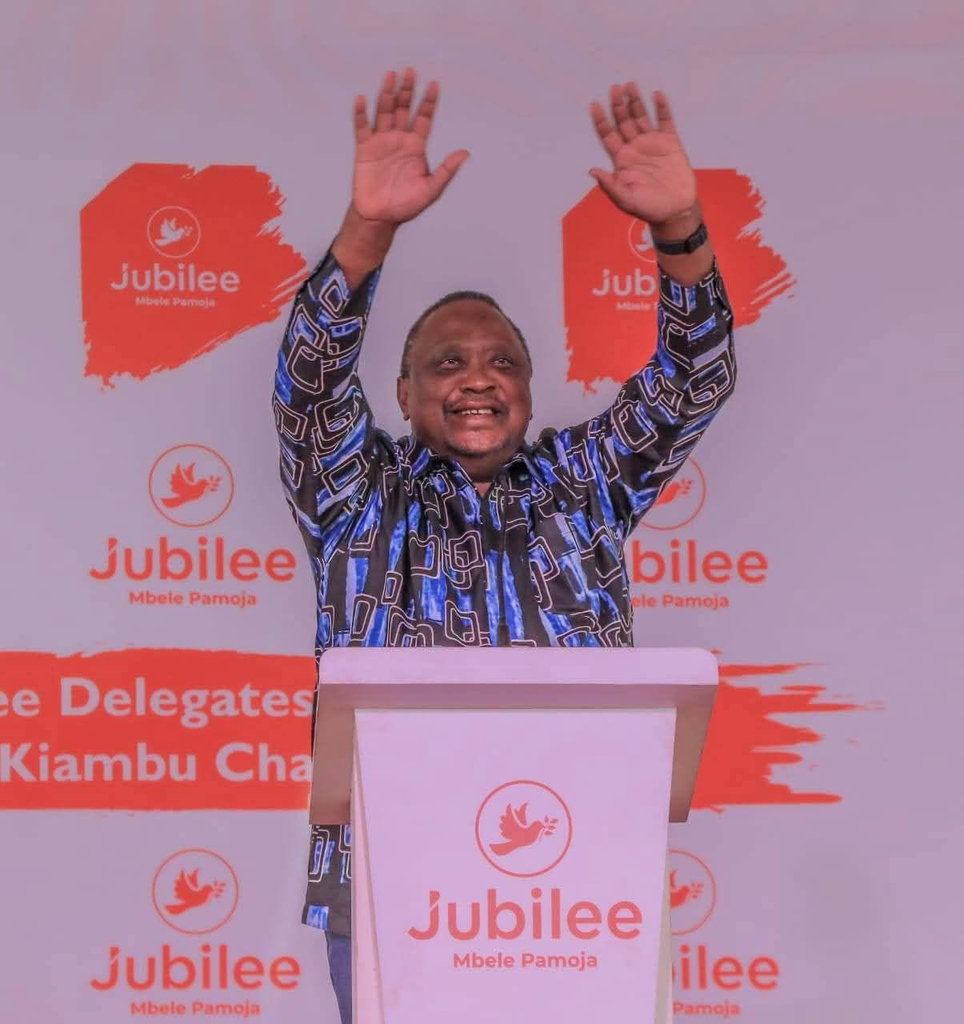
Former President Uhuru Kenyatta has returned to the political battlefield and reignited the 2022 General Election’s narrative of the hustler nation against the dynasty. Uhuru now wants to serve the narrative raw to his successor in the 2027 brawl.
In the 2022 presidential contest, the Kenya Kwanza presidential candidate rode on the hustler narrative to whip the emotions of the electorate to his fold.
Ruto’s narrative of the hustlers pitted against the Azimio la Umoja presidential candidate, the late Raila Amolo Odinga, and his key sponsor, then President Uhuru.
Both Uhuru, Raila and KANU Chairman Gideon Moi, who was also supporting Raila’s presidency, were clumped together as the dynasty.
“Wakasema sijui kuna mambo hapa sijui ya ma-hustler ambao wanatetea na wamekaliwa sijui na mabwanyenye ambao tulikuwa tunaitwa ‘dynasty’.”
According to Uhuru, the narrative was accompanied by repeated falsehoods about his administration and the BBI process.
“Wakazunguka na uongo na uongo na uongo na uongo.”
Uhuru’s father, the late Mzee Jomo Kenyatta, and Raila’s father, the late Jaramogi Oginga Odinga, were the founding fathers of the nation, with the former becoming the first president and the latter as his vice.
Equally, Moi became the second president, and the three families have been viewed as the country’s dynasties.
On Tuesday, 21st 2026, Uhuru, in what appeared as an open battle with Ruto after a series of attacks from the latter, lobbed his missile at the incumbent, questioning the validity of the narrative.
Uhuru said his political handshake with Raila was meant to unite the country and create harmony.
“We went into handshake to drive the country to prosperity and we had peace. Someone came with the false narrative of the hustler narrative. They traversed the country selling the narrative,” he said.
Uhuru asked what has happened to the promises that were made to the hustlers and why some people are now the dynasty.
“With Raila we came up with BBI to unite the country but they ensured it collapsed and spread the false narrative of hustlers. They claimed to be fighting for the right of the hustlers against the dynasties. They traversed with false narrative. Who are the genuine hustlers and dynasties?” he quipped.
Ruto cast himself as a “hustler”, fighting what he regards as an attempt by two of Kenya’s biggest dynasties – the Kenyattas and Odingas – to hang on to power.
Trying to evoke the sympathy of Kenyans, he has prayed, wept and made the incendiary claim that President Kenyatta was threatening him.
“As long as you don’t kill my children I shall face you but please let’s respect each other,” Mr Ruto said, at one of his final campaign rallies as a crowd cheered him on.
Tanga Tanga
Uhuru revisited his fallout with Ruto, saying he stopped working and was engaged in politics and labelled Ruto as Tanga Tanga.
“Some stop helping me with work. You people know their agenda,” he said at a press conference.
Ruto then tactfully adopted the decision to embrace President Kenyatta’s “Tanga Tanga” and turned it into a political tool.
His allies also weaponised the remarks to rebrand Ruto as a working deputy president.
Ruto generously accepted the terminology which had been widely disregarded by his supporters.
His allies, including South Mugirango MP Sylvanus Osoro, then announced their intention to use the remarks as a movement.
“It is a good gesture. As team Tanga Tanga, we are not offended and we are using this as a movement ahead of 2022,” Osoro said then.
North Mugirango MP Joash Nyamoko added: “The remarks were an encouragement. The president is aware that his deputy is working.”
Tactful move, battle of emotions.
Uhuru is on a tactful move to serve President Ruto the same dish he served the Azimio la Umoja Coalition and will be using the hustler narrative to whip the emotions of the electorate against the incumbent.
Already, Uhuru opened his attack on his successor by claiming that he believed the late Raila Odinga won the 2022 presidential elections.
Uhuru said, “We supported Raila as Jubilee and members of the Azimio Coalition and we did all that to make him president,” he said.
Uhuru said he believed Raila won the elections and that the truth will finally come out.
“Raila won the election. I am convinced he won the presidential elections. I know that, we know, those who want to know, know the truth, you,” he said.
Uhuru said Azimio la Umoja won the majority of MPs, Senators and governors’ seats against President Ruto’s Kenya Kwanza.
“We had more MPs than the coalition. We had more senators and governors than the other coalition. How did we lose this? We know how it went and we do not want to go that route again,” he said.
I defeated Uhuru
Last week, during President Ruto’s tour of Nyanza, Ruto went bare-knuckle on his former boss, retired President Uhuru Kenyatta, terming him a rebel leader.
“He was the president of Kenya. Instead of going into retirement to be a statesman, you have turned yourself into a rebel leader, the leader of the opposition,” he said.
Ruto also said that Uhuru cannot defeat him in the 2027 presidential election after having defeated him in the 2022 General Election.
Ruto reminded Uhuru that he defeated him in the last General Election and that he lacks the capacity to defeat him this time.
Ruto wondered how Uhuru could defeat him in the 2027 presidential election now that he is the President.
“If I defeated you when you were the president, how can you defeat me now when you are in retirement? Surely that can never happen,” he said.
But Uhuru dismissed Ruto’s claims that he defeated him in the last General Election, saying he was not on the ballot.
“Some people say we didn’t win. I believe Raila won the elections. They said they defeated me. Was it not Raila on the ballot? Uhuru was not on the ballot. Why are you dividing the country through the politics of division?” he said.
We respected the Supreme Court
Uhuru said even if they did not agree with the Supreme Court ruling which upheld Ruto’s victory, he presided over a peaceful transfer of power.
“I will speak my truth. After the election and the Supreme Court gave verdict. We did not reject it and in a broad daylight we gave them instrument of power. There was no violence,” he said.
Uhuru wondered why Ruto and his allies kept on abusing and accusing him of their own failures.
“After four years, they keep on saying Uhuru this and that. Were you elected to talk about Uhuru? If it is not working, you must look for an object to blame and that is Uhuru Kenyatta. Kenyans know so well.”
Governor Achani questioned over opaque SHIF deductions, Sh132M KEMSA debt
By Reporter
The Senate Committee on Health has exposed operational bottlenecks and financial mysteries within Kwale County’s healthcare sector.
The development arose as Senators interrogated Governor Fatuma Achani alongside her executive team and hospital medical superintendents as part of the Senate Mashinani programme, which decentralises parliamentary proceedings to allow lawmakers to inspect devolved services and engage local executive leadership directly.
The most glaring revelation emerged during discussions on the Social Health Insurance Fund (SHIF) reimbursements, where medical superintendents disclosed that deductions under the National Equipment Programme (NEPS/MES) are being made directly from facility reimbursements without monthly statements, cost breakdowns, or contractual details.
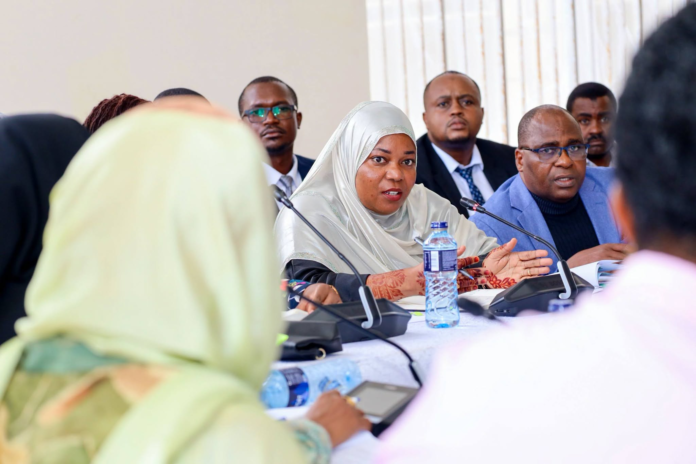
Vice Chairperson Sen. Mariam Sheikh Omar pressed county leadership to explain how healthcare facilities can operate when their core revenue streams are systematically siphoned without audit trails.
“It is unacceptable for health facilities to receive arbitrary deductions from SHIF reimbursements without clear cost breakdowns or contractual transparency,” stated Sen. Mariam Sheikh Omar.
Sen. Tabitha Mutinda, a member of the committee, raised red flags over the county’s low medical fill rate, which sits at just 52%, creating a 40% shortfall in essential drugs.
Responding to the panel on the cause of the deficit, Governor Achani defended her administration’s management, explaining that while Kwale carries a KSh132 million pending bill with KEMSA, requisitions are already before the Controller of Budget to clear the debt in full.
“Currently, we have two operating theatres, but we are currently having a budget that has been approved. We are doing seven additional theatres that are a theatre complex, so we are expecting some delivery soon,” Governor Achani noted when pressed on infrastructure deficits.
Addressing stalled Intensive Care Unit (ICU) equipment and missing Magnetic Resonance Imaging (MRI) machines previously supplied under the MES framework, Governor Achani added, “When the programme ended, there was no clear deadline on who was supposed to service the equipment. Most of the equipment was obsolete. But as a county, we have budgeted for new equipment so that we finish the ICU.”
Kisii Senator Richard Onyonka took aim at an unitarised KSh834 million listed under “Others” on the county’s financial submission, demanding immediate accountability.
Kwale’s finance team clarified that approximately KSh500 million of the figure represents anticipated SHIF reimbursements for the current financial year, pledging to submit a fully itemised schedule.
Sen. Hamida Kibwana zeroed in on emergency services and human resource strain, warning that Kwale’s fleet of 15 ambulances is severely compromised by having only 15 drivers, leaving no room for shift rotations during 24/7 emergencies.
On workforce retention, Senators instructed the county executive to enforce strict bonding policies so that health workers undergoing specialised training, such as those stationed at Msambweni County Referral Hospital, return to serve local residents.
To address mounting electricity expenses, Senators urged Kwale to adopt solar power, pointing out that Kiambu County saved KSh700 million through solarisation.
Governor Achani confirmed that Kwale is already rolling out solar installations across facilities ranging from rural dispensaries to Level 5 hospitals.
Striking a collaborative tone during her closing remarks, Governor Achani expressed optimism regarding the county’s healthcare trajectory despite prevailing fiscal constraints.
“We’ve taken note of the issues raised and I want to assure the Senate and the committee that it is our mandate as county government and we’ll deliver to the people of Kwale despite the challenges we have in budgets,” Governor Achani stated.
“We’ve made progress from where we were last time. I assure the committee that next time we are meeting, Kwale will be a model county.”
Adjourning the session, Committee Vice Chairperson Sen. Mariam Sheikh Omar commended the Governor and county leadership for their submission, emphasising that the success of devolution hinges on prioritising healthcare delivery, drug availability, and eliminating non-existent workforce overheads.
She urged Kwale County to maintain tight controls over pharmaceutical supplies and audit payroll systems to eliminate ghost workers, ensuring that public resources directly benefit residents.
A Senate Committee assessment has uncovered glaring gaps in the implementation of county laws, including instances where regulations required to give effect to legislation had not been formulated by the Kilifi county Government.
Senate Committee on Delegated Legislation raised serious concerns over what it described as failures in implementing the county’s legislative framework.
Subsequently, Kilifi County Government has been given one month to provide a comprehensive report on gaps in the regulations required to operationalize dozens of laws enacted by the count.
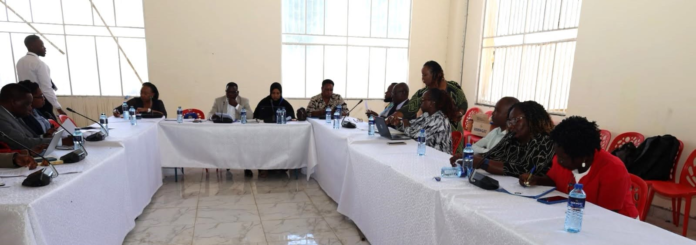
Speaking during a joint engagement between the Senate Select Committee on Delegated Legislation and its counterpart Committee of the Kilifi County Assembly, Senate Committee Chairman Senator Mwenda Gataya (Tharaka Nithi) said the situation amounted to an abdication of duty by the County Executive.
He said that left the residents and county institutions to operate under laws that could not be effectively implemented because the necessary regulations were either missing or had not been subjected to the required scrutiny.
The meeting, held at the Kilifi County Assembly, was attended by the County Executive, led by Deputy Governor Flora Chibule, as the Senate Committee sought explanations from various departments on the status of regulations supporting county legislation.
The Committee was particularly unimpressed by the County Executive’s failure to act on guidance issued during its previous visit to Kilifi in 2025, with members questioning why the same gaps had persisted despite the matter having been raised earlier.
Members expressed concern that the failure to implement the Committee’s previous recommendations pointed to a deeper problem of institutional accountability and disregard for the legislative processes required to make county laws effective.
Members of the Kilifi County Assembly who attended the engagement also raised strong concerns over what they described as a lack of commitment by the County Executive to the rule of law.
The Committee established that county departments had failed to comply with the requirement to develop and submit regulations under various pieces of county legislation.
The failure, it said, had created significant gaps in the implementation of county laws and impeded the effective operation of the county’s legislative framework.
In total, the Committee identified 36 County Acts and legislative instruments across eight departments for which the requisite supporting regulations had either not been developed or had not been submitted to the County Assembly for scrutiny and consideration.
The affected legislation spans key sectors, including revenue and taxation, education, environment, agriculture, livestock, trade, healthcare and social development. Among the laws identified are the Valuation for Rating Act, Revenue Administration Act, Tax Waivers Administration Act, Early Childhood Education Act, Vocational and Technical Act, Solid Waste Management Act, Climate Change Act, Liquor Control Act, Trade Licence Act, Agricultural Development Fund Act, and Betting, Gaming and Lotteries Act.
The list also includes laws covering disability, sexual and gender-based violence, healthcare and community health, transport, citizen participation, cultural heritage, quarrying, forestry and inspectorate services. Other affected legislation includes the Health Facilities Improvement Fund Act, Community Health Service Act, Persons with Disability Act, Sexual and Gender-Based Violence Act, Agricultural Training Centres Act, and Inspectorate Services Act.
The County Executive submitted that various regulations were at different stages of development, assuring the Committee that it would strive to ensure adherence to the required legal processes.
However, the Committee directed the County Assembly, in consultation with the County Executive, to prepare and submit a comprehensive report on the matter to the Senate.
The Committee warned that failure to operationalize county laws through regulations creates administrative and legal gaps, delays the implementation of legislative decisions, and can leave residents without clear mechanisms for enforcing rights and obligations created under county legislation.
Other members present were Senators Julius Murgor (West Pokot), Betty Montet and Consolata Wakwabub
With only 22 days to the first anniversary of the late Raila Amolo Odinga, immediate former President Uhuru Kenyatta stunned the nation after he said that he believed Azimio la Umoja presidential candidate won the 2022 elections.
Uhuru has stirred the restively calm political waters in the country with only 11 months to next year’s General Election with the claims of Raila’s victory in the last General Election.
The statement is likely to trigger a cocktail of reactions from President William Ruto, currently in the United States of America (USA) attending the UNGA Conference.
Uhuru said, “We supported Raila as Jubilee and members of the Azimio Coalition and we did all that to make him president,” he said.
Uhuru said he believed Raila won the elections and that the truth will finally come out.
“Raila won the election. I am convinced he won the presidential elections. I know that, we know, those who want to know, know the truth, you,” he said.
Uhuru said Azimio la Umoja won the majority of MPs, Senators and governors’ seats against President Ruto’s Kenya Kwanza.
“We had more MPs than the coalition. We had more senators and governors than the other coalition. How did we lose this? We know how it went and we do not want to go that route again,” he said.
I defeated Uhuru
Last week, during President Ruto’s tour of Nyanza, Ruto went bare-knuckle on his former boss, retired President Uhuru Kenyatta, terming him a rebel leader.
“He was the president of Kenya. Instead of going into retirement to be a statesman, you have turned yourself into a rebel leader, the leader of the opposition,” he said.
Ruto also said that Uhuru cannot defeat him in the 2027 presidential election after having defeated him in the 2022 General Election.
Ruto reminded Uhuru that he defeated him in the last General Election and that he lacks the capacity to defeat him this time.
Ruto wondered how Uhuru could defeat him in the 2027 presidential election now that he is the President.
“If I defeated you when you were the president, how can you defeat me now when you are in retirement? Surely that can never happen,” he said.
But Uhuru dismissed Ruto’s claims that he defeated him in the last General Election, saying he was not on the ballot.
“Some people say we didn’t win. I believe Raila won the elections. They said they defeated me. Was it not Raila on the ballot? Uhuru was not on the ballot. Why are you dividing the country through the politics of division?” he said.
We respected the Supreme Court
Uhuru said even if they did not agree with the Supreme Court ruling which upheld Ruto’s victory, he presided over a peaceful transfer of power.
“I will speak my truth. After the election and the Supreme Court gave verdict. We did not reject it and in a broad daylight we gave them instrument of power. There was no violence,” he said.
Uhuru wondered why Ruto and his allies kept on abusing and accusing him of their own failures.
“After four years, they keep on saying Uhuru this and that. Were you elected to talk about Uhuru? If it is not working, you must look for an object to blame and that is Uhuru Kenyatta. Kenyans know so well.”
My right is enshrined in the Constitution
Uhuru said his democratic right was enshrined in the Constitution and he was free to speak out.
“You call me names sponyo or rebel leader. Is it wrong to talk about our democracy? I have not forced people to follow me,” he said.
In another blow to Ruto, the High Court ruled as void and null a section of the Constitution that barred a retired president from holding political office.
Justice Bahati Mwamuye on Monday, September 21, ruled that a retired president is not barred from engaging in active politics.
According to the court, it is unlawful for the law to control the private life of a private citizen.
“The person thereafter stands in a fundamentally different constitutional position: he or she is a private citizen,” the judge said in the ruling.
The ruling comes days after another court barred retired presidents from holding positions in a political party six months after retirement.
Delivered on Monday, September 14, the court ruled that former Heads of State can continue participating in political activities but cannot hold party leadership positions beyond the six months.
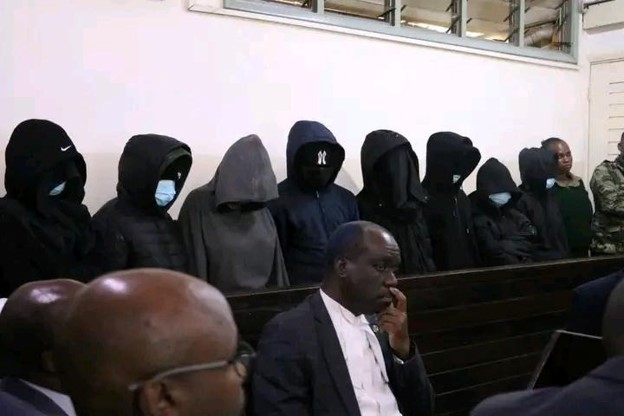
The eight minors facing 16 counts of murder over the deadly Utumishi Girls Academy dormitory fire will remain in custody after the High Court declined to release them on bail.
Justice Diana Kavedza, sitting at the Kibera High Court on Monday, September 21, dismissed the bail applications after considering submissions from the prosecution and defence, as well as pre-bail, social inquiry and psychosocial reports concerning the minors.
The court found that releasing the minors at this stage would expose them to an appreciable risk of harm and could affect the integrity of the ongoing criminal proceedings.
Justice Kavedza said the decision was also informed by the need to protect the minors and other vulnerable persons, preserve public safety and safeguard the administration of justice.
“Having considered the totality of the evidence and applicable legal principles, the application for bail is hereby dismissed,” Justice Kavedza ruled.
The minors were subsequently ordered to be remanded at Kamae Borstal Institution as the murder case proceeds.
The court directed that each of the eight be provided with an individual sleeping cubicle equipped with a bed, alongside adequate necessities, security and supervision.
Justice Kavedza further directed that if the institution does not have sufficient capacity, the relevant authorities must make arrangements to ensure that each minor has separate sleeping accommodation.
The court’s decision follows concerns raised during the bail proceedings regarding the safety and welfare of the minors, as well as the possibility that their release could interfere with witnesses or compromise the integrity of the trial.
The social inquiry and psychosocial reports presented to the court also raised concerns about the minors’ welfare and the need for continued psychological support and close supervision.
From deadly fire to murder charges
The case dates back to May 28, when a fire broke out at Utumishi Girls Academy in Gilgil, Nakuru County, killing 16 students and leaving 79 others injured.
The fire broke out shortly after midnight and engulfed the Meline Waithera dormitory, where students were sleeping. The tragedy prompted a multi-agency investigation involving detectives, forensic experts and other investigators.
By May 29, the Directorate of Criminal Investigations had arrested eight students who had been identified as persons of interest in connection with the suspected arson.
Investigators said they had interviewed students, teachers and other witnesses and reviewed CCTV footage from the school as they sought to establish what happened before and during the fire.
The DCI said preliminary investigations had identified the eight students as persons of interest in the alleged planning and execution of the suspected arson attack.
Education Cabinet Secretary Julius Ogamba later said preliminary investigations had pointed to arson, while also raising questions about compliance with school safety requirements.
The investigation subsequently moved from establishing the cause of the fire to determining the individual responsibility of those suspected of involvement.
On June 26, the High Court ordered mental assessments for the eight students to establish whether they were fit to stand trial.
The Office of the Director of Public Prosecutions later approved 16 murder charges after reviewing a preliminary inquiry file submitted by the DCI.
Eight minors deny murder charges
On July 1, the eight appeared before Justice Kavedza at the Kibera High Court and pleaded not guilty to all 16 murder counts.
The prosecution alleged that the minors acted jointly in causing the deaths of the 16 students.
Because the suspects are children, Justice Kavedza directed that they be referred to as “subject minors” and ordered that their identities remain protected throughout the proceedings.
The judge also warned against reporting that could expose the identities of the minors or prejudice the case.
The prosecution opposed their release on bail, arguing that keeping them in custody was necessary to protect the integrity of the proceedings and ensure the proper administration of justice.
The court subsequently called for comprehensive pre-bail reports before determining whether the minors could be released.
The reports considered the circumstances of the minors, their families, the school and the wider environment surrounding the case, including the views of affected parties.
The bail ruling, initially set for September 22, was delivered a day earlier on September 21, with Justice Kavedza ultimately declining to release the eight.
The ruling means the minors will remain in custody as the murder case proceeds, with the court placing particular emphasis on their safety, welfare and the need to protect the integrity of the trial.
The prosecution team comprises Senior Deputy Director of Public Prosecutions Vincent Monda, Senior Assistant Directors of Public Prosecutions Gikui Gichuhi and Maryanne Mwangi, together with Linda Ndambiri, Paul Ochieng and Peris Maina.
The eight minors have denied the charges, and the allegations against them remain to be tested through the trial.
Eight Utumishi Girls Students Denied Bail Over 16 Murder Charges
image
By Valentine Omondi
The eight minors facing 16 counts of murder over the deadly Utumishi Girls Academy dormitory fire will remain in custody after the High Court declined to release them on bail.
Justice Diana Kavedza, sitting at the Kibera High Court on Monday, September 21, dismissed the bail applications after considering submissions from the prosecution and defence, as well as pre-bail, social inquiry and psychosocial reports concerning the minors.
The court found that releasing the minors at this stage would expose them to an appreciable risk of harm and could affect the integrity of the ongoing criminal proceedings.
Justice Kavedza said the decision was also informed by the need to protect the minors and other vulnerable persons, preserve public safety and safeguard the administration of justice.
“Having considered the totality of the evidence and applicable legal principles, the application for bail is hereby dismissed,” Justice Kavedza ruled.
The minors were subsequently ordered to be remanded at Kamae Borstal Institution as the murder case proceeds.
The court directed that each of the eight be provided with an individual sleeping cubicle equipped with a bed, alongside adequate necessities, security and supervision.
Justice Kavedza further directed that if the institution does not have sufficient capacity, the relevant authorities must make arrangements to ensure that each minor has separate sleeping accommodation.
The court’s decision follows concerns raised during the bail proceedings regarding the safety and welfare of the minors, as well as the possibility that their release could interfere with witnesses or compromise the integrity of the trial.
The social inquiry and psychosocial reports presented to the court also raised concerns about the minors’ welfare and the need for continued psychological support and close supervision.
From deadly fire to murder charges
The case dates back to May 28, when a fire broke out at Utumishi Girls Academy in Gilgil, Nakuru County, killing 16 students and leaving 79 others injured.
The fire broke out shortly after midnight and engulfed the Meline Waithera dormitory, where students were sleeping. The tragedy prompted a multi-agency investigation involving detectives, forensic experts and other investigators.
By May 29, the Directorate of Criminal Investigations had arrested eight students who had been identified as persons of interest in connection with the suspected arson.
Investigators said they had interviewed students, teachers and other witnesses and reviewed CCTV footage from the school as they sought to establish what happened before and during the fire.
The DCI said preliminary investigations had identified the eight students as persons of interest in the alleged planning and execution of the suspected arson attack.
Education Cabinet Secretary Julius Ogamba later said preliminary investigations had pointed to arson, while also raising questions about compliance with school safety requirements.
The investigation subsequently moved from establishing the cause of the fire to determining the individual responsibility of those suspected of involvement.
On June 26, the High Court ordered mental assessments for the eight students to establish whether they were fit to stand trial.
The Office of the Director of Public Prosecutions later approved 16 murder charges after reviewing a preliminary inquiry file submitted by the DCI.
Eight minors deny murder charges
On July 1, the eight appeared before Justice Kavedza at the Kibera High Court and pleaded not guilty to all 16 murder counts.
The prosecution alleged that the minors acted jointly in causing the deaths of the 16 students.
Because the suspects are children, Justice Kavedza directed that they be referred to as “subject minors” and ordered that their identities remain protected throughout the proceedings.
The judge also warned against reporting that could expose the identities of the minors or prejudice the case.
The prosecution opposed their release on bail, arguing that keeping them in custody was necessary to protect the integrity of the proceedings and ensure the proper administration of justice.
The court subsequently called for comprehensive pre-bail reports before determining whether the minors could be released.
The reports considered the circumstances of the minors, their families, the school and the wider environment surrounding the case, including the views of affected parties.
The bail ruling, initially set for September 22, was delivered a day earlier on September 21, with Justice Kavedza ultimately declining to release the eight.
The ruling means the minors will remain in custody as the murder case proceeds, with the court placing particular emphasis on their safety, welfare and the need to protect the integrity of the trial.
The prosecution team comprises Senior Deputy Director of Public Prosecutions Vincent Monda, Senior Assistant Directors of Public Prosecutions Gikui Gichuhi and Maryanne Mwangi, together with Linda Ndambiri, Paul Ochieng and Peris Maina.
The eight minors have denied the charges, and the allegations against them remain to be tested through the trial.
The political game for the 2027 presidential election is finally unfolding, with the opposition releasing its first arsenal and tactic in readiness to face off with President William Ruto.
In the new development, the opposition has dropped the name and rebranded Azimio la Umoja to Ukombozi Alliance, with former President Uhuru Kenyatta as the chairman.
The move is a strategic and calculative one, as it makes the coalition an all-inclusive and purposeful group.
The move draws the battle line to a contest between Ukombozi Alliance against the Broad-Based Alliance.
What the move means in the political context
The move to rebrand to Ukombozi Alliance from Azimio la Umoja Coalition is a politically correct one, as it allows the other opposition leaders, who were initially in the Kenya Kwanza coalition of President William Ruto, to be accommodated and feel part of the outfit.
For Democracy for Citizens Party (DCP) of former Deputy President Rigathi Gachagua, DP of JB Muturi, Umoja na Maendeleo Party of former Meru Governor Kawira Mwangaza, former Chief Justice David Maraga of the Green Movement Party and other coalition partners moving into the new outfit, which is a clean slate.
Already, Gachagua allies had rejected a move to join Azimio la Umoja, saying formation of a new coalition was paramount.
Again, with the demise of the Azimio la Umoja presidential candidate in the 2022 General Election, Raila Amolo Odinga, the change of the brand was what gave the opposition a fresh start.
With the death of Raila and his party, Orange Democratic Movement (ODM), the main partner shifting alliance to the broad-based alliance with President William Ruto and now crafting a pre-election coalition pact, Azimio was left wobbling and needed a new identity.
ThesponyoMuigai Kenyatta
The return of the alleged sponyo (sponsor), Uhuru Kenyatta, at the helm is a political nightmare to President Ruto. He recently termed Uhuru as a rebel and sponsor of the opposition against his government.
In another blow to Ruto, the High Court ruled as void and null a section of the Constitution that barred a retired president from holding political office.
Uhuru now becomes the centre of unity in the Ukombozi Alliance, and his financial muscle will be an added asset to the financially malnourished opposition.
Ruto recently termed Uhuru as a rebel and the sponsor of the opposition outfit Linda Mwananchi and other groupings and accused him of sabotaging his government.
“He was the president of Kenya. Instead of going into retirement to be a statesman, you have turned yourself into a rebel leader, the leader of the opposition,” he said.
Ruto reminded Uhuru that he defeated him in the last General Election and that he lacks the capacity to defeat him this time.
Ruto wondered how Uhuru could defeat him in the 2027 presidential election now that he is the President.
“If I defeated you when you were the president, how can you defeat me now when you are in retirement? Surely that can never happen,” he said.
The Court freedom
Justice Bahati Mwamuye on Monday, September 21, ruled that a retired president is not barred from engaging in active politics.
According to the court, it is unlawful for the law to control the private life of a private citizen.
“The person thereafter stands in a fundamentally different constitutional position: he or she is a private citizen,” the judge said in the ruling.
The ruling comes days after another court barred retired presidents from holding positions in a political party six months after retirement.
Delivered on Monday, September 14, the court ruled that former Heads of State can continue participating in political activities but cannot hold party leadership positions beyond the six months.
Single Presidential candidate
With the unveiling of the Ukombozi Alliance, the opposition is moving closer to a single presidential candidate built on a consensus.
For President Ruto, the coalition could be a political nightmare, as it finally brings Uhuru and Gachagua, the main leaders from Mt Kenya, together and they will walk away with the majority of the region’s votes, which were instrumental in the Kenya Kwanza victory in the 2022 General Election.
The faces
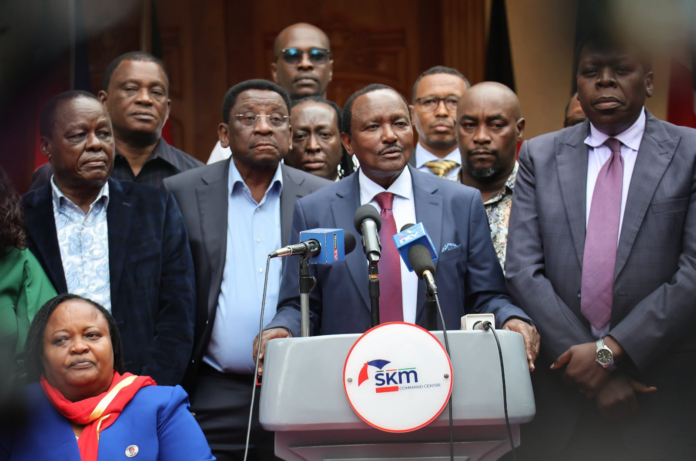
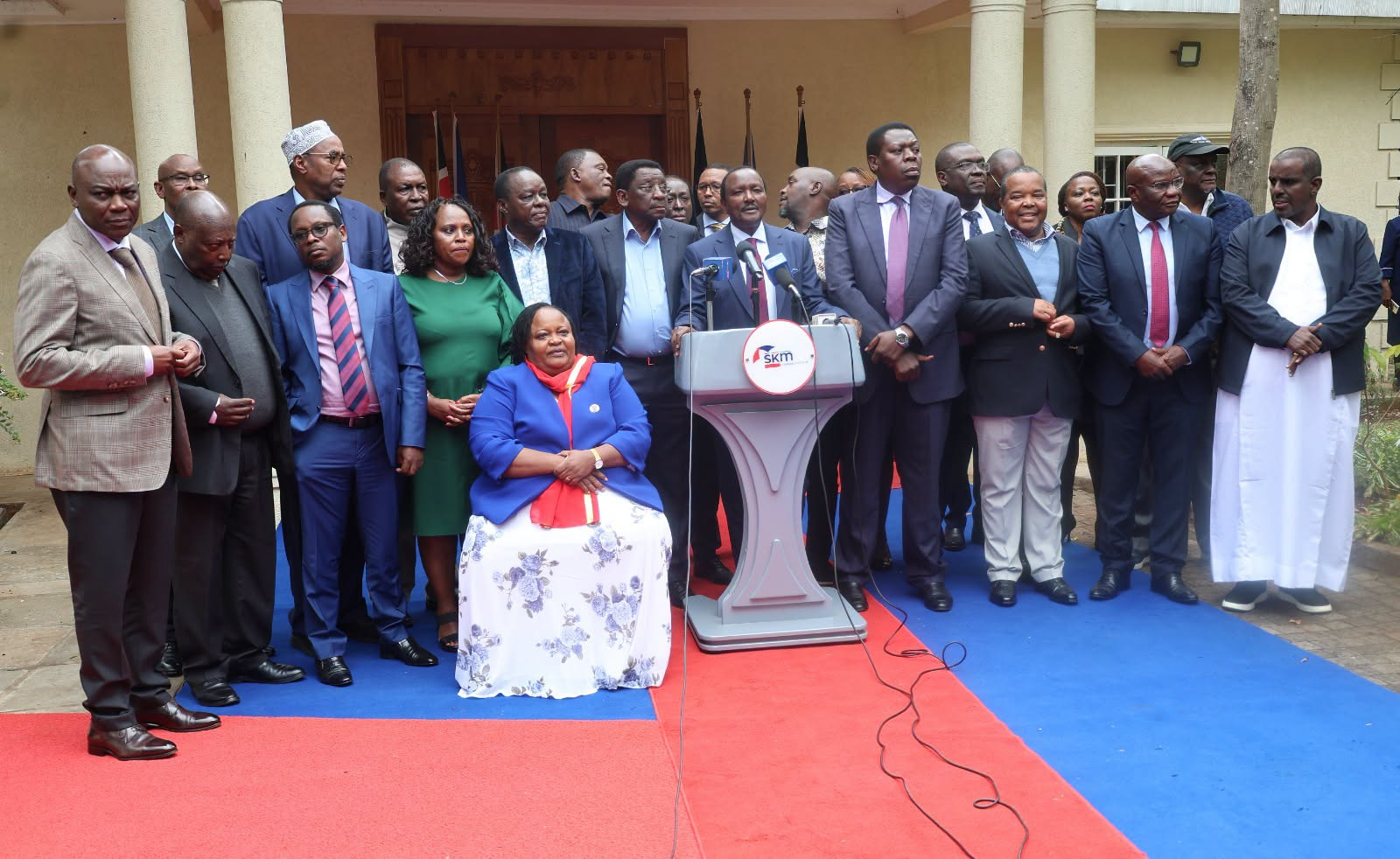
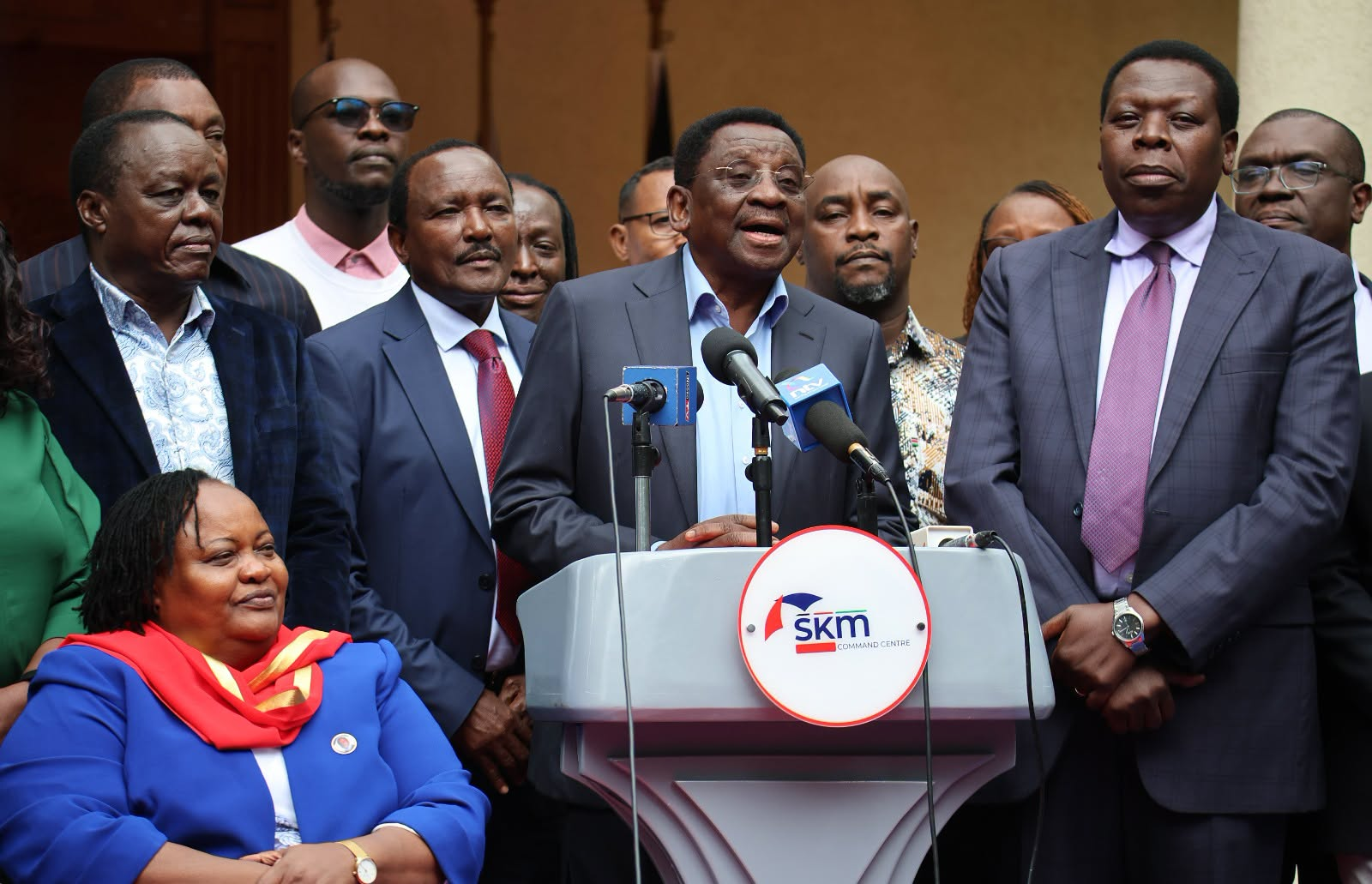
Wiper Party leader Kalonzo Musyoka said the move to form the coalition was made after a unanimous agreement by parties within the faction and will be headed by former President Uhuru Kenyatta.
“After today, this podium will change because the Azimio la Umoja coalition has today unanimously agreed to rebrand and change its name to the Ukombozi Alliance,” Kalonzo noted.
“Let the country know that we are on the move. The coalition chair is Uhuru Kenyatta, and tomorrow, he is convening a Jubilee Party meeting to make the necessary decisions, which will be communicated to the Ukombozi Alliance.”
Kalonzo noted that all necessary action will be taken after the meeting, including the official handover of the coalition’s chairmanship to the Registrar of Political Parties.
He further welcomed Siaya Governor James Orengo and former Meru Governor Kawira Mwangaza.
The Ukombozi is the first opposition salient move on President Ruto and, with time, the two main groupings will be counter-checking each move, and now the battle begins.
Opposition fires first arsenal on President Ruto with revelation of Ukombozi Alliance
By Anderson Ojwang
The political game for the 2027 presidential election is finally unfolding, with the opposition releasing its first arsenal and tactic in readiness to face off with President William Ruto.
In the new development, the opposition has dropped the name and rebranded Azimio la Umoja to Ukombozi Alliance, with former President Uhuru Kenyatta as the chairman.
The move is a strategic and calculative one, as it makes the coalition an all-inclusive and purposeful group.
The move draws the battle line to a contest between Ukombozi Alliance against the Broad-Based Alliance.
What the move means in the political context
The move to rebrand to Ukombozi Alliance from Azimio la Umoja Coalition is a politically correct one, as it allows the other opposition leaders, who were initially in the Kenya Kwanza coalition of President William Ruto, to be accommodated and feel part of the outfit.
For Democracy for Citizens Party (DCP) of former Deputy President Rigathi Gachagua, DP of JB Muturi, Umoja na Maendeleo Party of former Meru Governor Kawira Mwangaza, former Chief Justice David Maraga of the Green Movement Party and other coalition partners moving into the new outfit, which is a clean slate.
Already, Gachagua allies had rejected a move to join Azimio la Umoja, saying formation of a new coalition was paramount.
Again, with the demise of the Azimio la Umoja presidential candidate in the 2022 General Election, Raila Amolo Odinga, the change of the brand was what gave the opposition a fresh start.
With the death of Raila and his party, Orange Democratic Movement (ODM), the main partner shifting alliance to the broad-based alliance with President William Ruto and now crafting a pre-election coalition pact, Azimio was left wobbling and needed a new identity.
ThesponyoMuigai Kenyatta
The return of the alleged sponyo (sponsor), Uhuru Kenyatta, at the helm is a political nightmare to President Ruto. He recently termed Uhuru as a rebel and sponsor of the opposition against his government.
In another blow to Ruto, the High Court ruled as void and null a section of the Constitution that barred a retired president from holding political office.
Uhuru now becomes the centre of unity in the Ukombozi Alliance, and his financial muscle will be an added asset to the financially malnourished opposition.
Ruto recently termed Uhuru as a rebel and the sponsor of the opposition outfit Linda Mwananchi and other groupings and accused him of sabotaging his government.
“He was the president of Kenya. Instead of going into retirement to be a statesman, you have turned yourself into a rebel leader, the leader of the opposition,” he said.
Ruto reminded Uhuru that he defeated him in the last General Election and that he lacks the capacity to defeat him this time.
Ruto wondered how Uhuru could defeat him in the 2027 presidential election now that he is the President.
“If I defeated you when you were the president, how can you defeat me now when you are in retirement? Surely that can never happen,” he said.
The Court freedom
Justice Bahati Mwamuye on Monday, September 21, ruled that a retired president is not barred from engaging in active politics.
According to the court, it is unlawful for the law to control the private life of a private citizen.
“The person thereafter stands in a fundamentally different constitutional position: he or she is a private citizen,” the judge said in the ruling.
The ruling comes days after another court barred retired presidents from holding positions in a political party six months after retirement.
Delivered on Monday, September 14, the court ruled that former Heads of State can continue participating in political activities but cannot hold party leadership positions beyond the six months.
Single Presidential candidate
With the unveiling of the Ukombozi Alliance, the opposition is moving closer to a single presidential candidate built on a consensus.
For President Ruto, the coalition could be a political nightmare, as it finally brings Uhuru and Gachagua, the main leaders from Mt Kenya, together and they will walk away with the majority of the region’s votes, which were instrumental in the Kenya Kwanza victory in the 2022 General Election.
The faces
Wiper Party leader Kalonzo Musyoka said the move to form the coalition was made after a unanimous agreement by parties within the faction and will be headed by former President Uhuru Kenyatta.
“After today, this podium will change because the Azimio la Umoja coalition has today unanimously agreed to rebrand and change its name to the Ukombozi Alliance,” Kalonzo noted.
“Let the country know that we are on the move. The coalition chair is Uhuru Kenyatta, and tomorrow, he is convening a Jubilee Party meeting to make the necessary decisions, which will be communicated to the Ukombozi Alliance.”
Kalonzo noted that all necessary action will be taken after the meeting, including the official handover of the coalition’s chairmanship to the Registrar of Political Parties.
He further welcomed Siaya Governor James Orengo and former Meru Governor Kawira Mwangaza.
The Ukombozi is the first opposition salient move on President Ruto and, with time, the two main groupings will be counter-checking each move, and now the battle begins.
We use cookies to ensure that we give you the best experience on our website. If you continue to use this site we will assume that you are happy with it.